




$15,000,000
Three daughters lost their father to a 1990 murder unsolved for decades. We pursued the convicted step-mother civilly and won a landmark wrongful-death judgment.
Parks, Rivers, Apartment Pools & Balconies
Public land and big rental complexes follow their own rules when someone gets hurt. Knowing which rule applies comes first.
Reviewed by Gingery Hammer & Associates, LLP · Updated November 21, 2026
A broken railing at a city park, a pool gate at an apartment complex, a balcony that sags over a courtyard. In Sacramento, the owner might be a landlord, the City or the County, and each one is held to a different standard.


$33M+
Featured Case Results
Every claim is pursued for its full value, so recoveries reflect what an injured family actually needs.
75+
Years of Combined Experience
Seasoned judgment guides each decision, so the path forward is clear at every stage of a case.
1,000+
Injury Cases Handled
Proven preparation keeps cases moving efficiently, so questions get real answers and nothing gets overlooked.
Dangerous Property Claims
Sacramento has a lot of shared space. There are city parks, county river parks, school grounds, light rail stations and large apartment complexes with pools, playgrounds and stacked balconies. When a part of one of those places breaks and hurts someone, the first job is to learn who owns it. A claim against a landlord follows ordinary negligence rules. A claim against the City of Sacramento or Sacramento County follows the Government Claims Act, with shorter deadlines and its own proof.
The river corridors add another layer. The American River Parkway follows the river from the Folsom area down to Discovery Park, and people swim, float, fish and ride along it all summer. State law protects public agencies from many claims about natural river conditions and risky recreation. Those protections are strong, but they have edges. A broken stair, dock or railing that the agency built is not a natural condition.
Apartment complexes raise different problems. Big complexes have shared pools, second-floor walkways and wooden balconies that weather every year. The state's home pool safety law does not cover apartment complexes, yet the landlord still has a duty to inspect and repair the common areas it controls. For the general rules on property injuries, see our Sacramento premises liability attorney page.
Prefer to start online? Request a free case review or download the free California Personal Injury Guide.
Key Facts
Statute of Limitations
6 months
Claims against the City, the County or SacRT. Private owners: 2 years
Attorney Fee
0%
Unless we win
Case Review
Free
And confidential
Service Area
Sacramento
Sacramento & all of Sacramento County
Call Now
(916) 767-0807
Direct to Sacramento office
The Law
Cal. Gov. Code §§ 830(a), 835
Cal. Gov. Code § 835.2
Cal. Gov. Code § 831.2; CACI No. 1110
Cal. Gov. Code § 831.7
Cal. Health & Safety Code §§ 115925(c), 17920.3(b)(6); CACI No. 1006
Cal. Gov. Code §§ 911.2, 945.6; Cal. Code Civ. Proc. § 335.1
Every case type we take at this office: Personal injury attorney in Sacramento.
Why Gingery Hammer & Associates
Contingency fee. No upfront costs, no hourly bills, no retainer.
Decades of combined courtroom experience. Insurers know we prepare every case for trial.
We know the corridors, courts, and communities of Sacramento County.
$33M+ recovered for injured clients across Northern California.
You talk to your lawyer — not a call center.
We deal with the adjusters so you can focus on healing.
Meet Your Attorneys
Common Causes
These conditions on public and rental property lead to many serious injuries:
Common Injuries
Water, height and heavy structures cause some of the worst injuries a property can inflict. These include:
After a Property Injury
Call 911 after any water rescue or fall from a height. Tell the medical team exactly what broke, fell or failed, so it goes into your records.
Drop a pin on your phone map and write down the nearest landmark, address or park entrance. Ownership lines between the City, the County and private land can run through a single park.
A city park, a county river park, a school, a transit station and an apartment complex each have a different owner. Each owner takes claims in a different office.
If a public agency owns the property, the written claim is due within six months. The City of Sacramento accepts claims only through the Office of the City Clerk. The County, SacRT and SMUD each take their own claims.
Capture the broken railing, the rotted dock board, the gate latch or the sagging balcony. These built things can fall outside the immunities for natural land, so clear photos matter.
For a dangerous or vacant building in the city, report it through 311. A dated report helps protect others. It also shows the condition existed on that day.
A lawyer can ask the agency or landlord to preserve inspection logs, work orders, complaints and video. With public property, those records often decide whether the agency had notice.
Featured Case Results
Below are past results from the firm. They show the kinds of cases handled, not what any new case will bring.
$15,000,000
Three daughters lost their father to a 1990 murder unsolved for decades. We pursued the convicted step-mother civilly and won a landmark wrongful-death judgment.
$7,500,000
Elderly veteran suffered a spinal cord injury when stacked crates fell on him at a warehouse. We secured a full settlement plus a pre-settlement handicap vehicle and medical costs.
$2,000,000
A drywaller was tragically killed on an active construction site due to preventable safety and communication failures. A multi-seven-figure recovery brought closure to his family.
Prior results do not guarantee a similar outcome.
Serving Sacramento
A lawsuit about dangerous property in Sacramento can be filed in Sacramento County Superior Court, where the Civil Division hears lawsuits seeking compensation for a civil tort. Our office is at 7801 Folsom Blvd, Suite 101. Visit our Sacramento personal injury attorney page to learn how a contingency fee works.
Sacramento County Regional Parks runs the American River Parkway. Its Discovery Park, a 302-acre park where the American River meets the Sacramento River, sits partly inside the City of Sacramento and partly in unincorporated county land. It is built to flood in high water to take pressure off the river levees. The 32-mile Jedediah Smith Memorial Trail starts there. The county warns that riverbeds can drop off sharply and that murky water can hide logs, sharp rocks and trash. A county ordinance also requires life jackets for children 13 and under in public waterways.
The City of Sacramento accepts injury claims only through the Office of the City Clerk. The city notes that claims against Sacramento County, Sacramento Regional Transit, SMUD and the Sacramento Housing and Redevelopment Agency go to those agencies directly. UC Davis Medical Center offers around-the-clock trauma care for both children and adults. If a family member died, our Sacramento wrongful death attorney page explains who may bring a claim.
Also serving Roseville: Accident on Dangerous Property Lawyer in Roseville
Compensation
If the owner or agency is responsible, the claim can cover what you lost and what you went through. That can include:
We fight. You heal. That's the deal.
Hurt at a Sacramento park, river access or apartment complex? Start with a free case review.
FAQ
Yes, in some cases, but you must first file a written claim with the City Clerk within six months. You must show the condition created a substantial risk and that a city employee created it or the city had notice in time to fix it. A broken railing at a picnic area is a stronger case than an uneven natural slope.

Usually not for the river itself. State law shields public agencies from injuries caused by natural conditions of rivers and unimproved land, and from many claims by people swimming where there is no lifeguard. A claim may still exist for a broken dock, stairway or other structure the agency built, or for a known hidden danger it failed to warn about.

Often the landlord or management company that controls the pool. The home pool safety law does not cover apartment complexes, but the landlord must still inspect common areas and take reasonable steps against unsafe conditions it knows about or should know about. A gate that has not latched for weeks is strong evidence.
Your landlord may be liable if the balcony was in an area it controls and it failed to inspect or repair it. State housing law lists sagging or split horizontal supports among the structural hazards that can make a building substandard. Photos of the failed boards and any earlier repair requests are key evidence.
It means the agency knew about the danger, or should have found it. Actual notice is real knowledge of the condition and its danger. Constructive notice means the condition was there long enough, and was plain enough, that a reasonable inspection would have caught it. The agency's own inspection records often answer the question.
Usually not. The law that shields agencies from claims about hazardous recreation says a vehicle entry or parking fee does not count as a specific fee for the activity. A fee charged to take part in the specific activity is treated differently. Other rules, like the natural condition rule, apply no matter what you paid.
Six months from the injury to present a written claim to the agency. If the agency rejects it in writing, you generally have six months from that notice to file a lawsuit. Claims against private landlords and businesses generally have a two-year deadline instead.
This page is general information, not legal advice. Every case depends on its own facts.
Related Practice Areas
Every case type we handle: Personal injury attorney in Sacramento · Also serving Roseville: Accident on Dangerous Property Lawyer in Roseville

All bicycle accidents should be taken seriously because the injuries sustained could be severe. If you have been injured in a preventable crash, call us now for a free consultation. Our professional bicycle accident attorneys will help you obtain your settlement award.
See Bicycle Accident Cases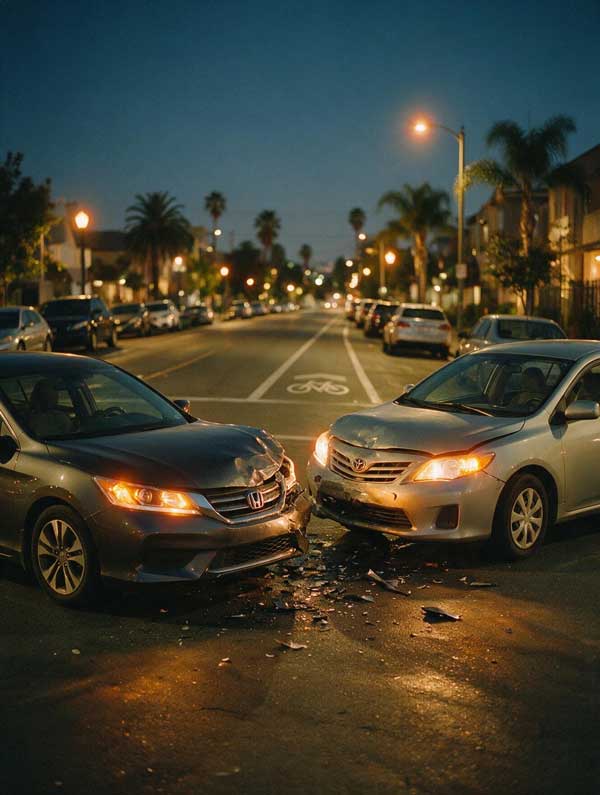
If you've been injured in a car accident, whether by a drunk, speeding, or negligent driver, you deserve full compensation. Schedule a consultation with a reliable car accident attorney today. We're dedicated to making sure each of our clients gets justice.
See Car Accident Cases
A catastrophic injury may result in blindness, deafness, or other disabilities that will impact someone for their entire life. If you or a loved one has experienced a catastrophic injury, don't hesitate to consult an injury attorney to secure the compensation you're owed.
See Catastrophic Injury Cases
Nearly half of all accidents involving a motorcycle lead to a serious injury. Motorcycles are dangerous, and drivers should be held accountable for negligence. If you have been injured by a reckless motorcyclist, give us a call to secure the compensation you deserve.
See Motorcycle Accident Cases
Every day people are seriously injured by negligent drivers in pedestrian areas and while crossing roads. If you have been hurt in a pedestrian-related accident, get in touch with Gingery Hammer & Associates, LLP to see if you're eligible for compensation.
See Pedestrian Injury Cases
Defective and dangerous products injure people every day. When a manufacturer, distributor, or retailer puts an unsafe product into your hands, they can be held strictly liable. We investigate the defect, preserve the evidence, and pursue the full compensation you're owed.
See Product Liability Cases
If you are ever injured on someone else's property, the property owner can (and should) be held accountable for all your injuries. We'll handle your premises liability lawsuit and make sure you are rightfully and fully compensated by the property owner for your accident.
See Premises Liability Cases
Commercial truck drivers are held to a higher liability standard than other drivers on the road. If you have been injured in a collision with a big-rig, delivery truck or any other commercial vehicle, give us a call to seek compensation right away.
See Truck Accident Cases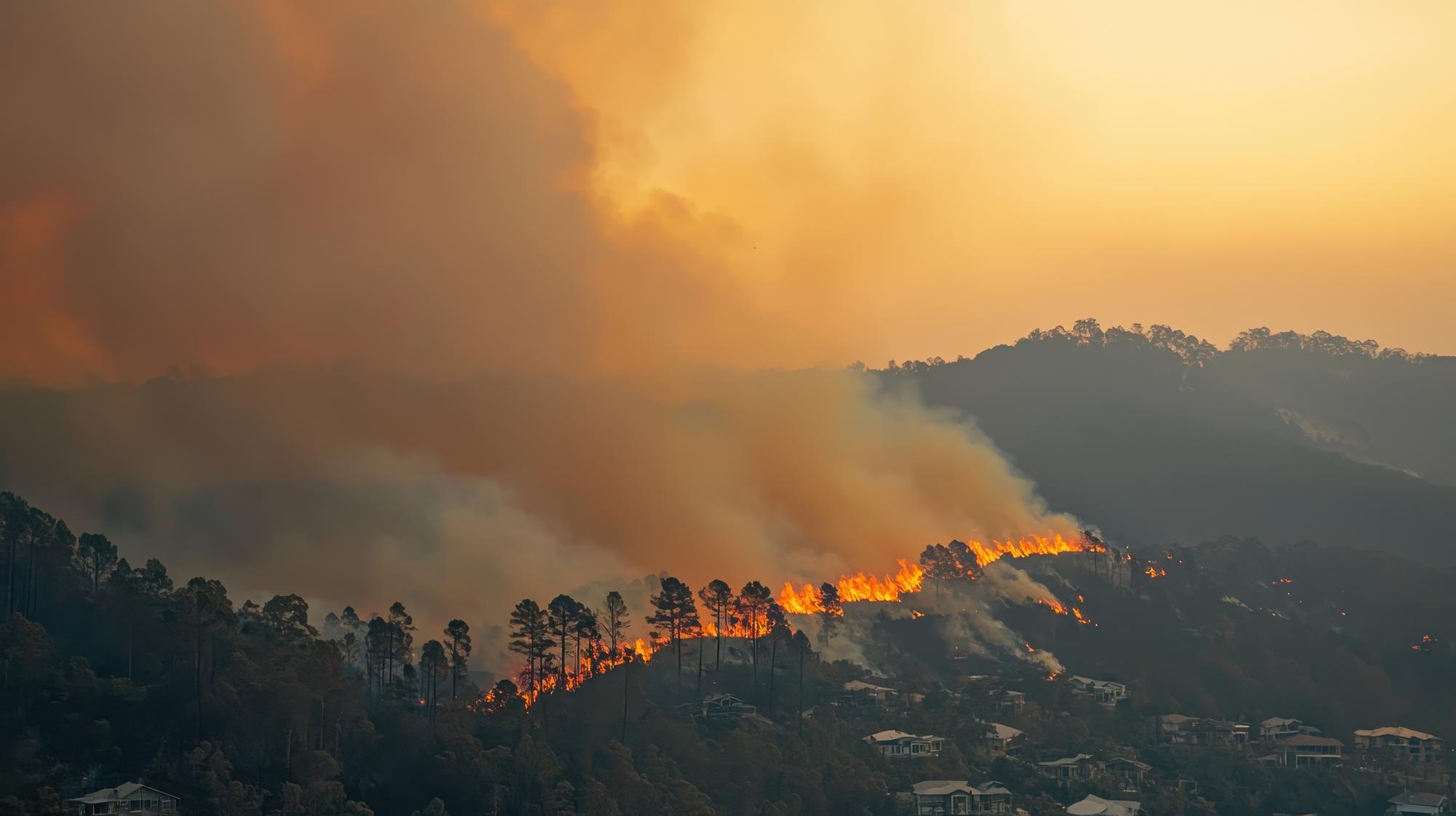
Our injury lawyers are dedicated to helping victims of wild fires who have been left with injuries or property loss. If you have questions about the cause of the fire and how you can receive compensation, contact Gingery Hammer & Associates, LLP today.
See Wildfire Lawsuits Cases
A wrongful death settlement can help give support to grieving families in a challenging and devastating time, and provide assistance and financial support for the dependents' futures. Reach out to us today, and let us seek justice for the loss of your loved one.
See Wrongful Death CasesFrom the Blog
November 26, 2026
November 23, 2026
November 19, 2026