




$15,000,000
Three daughters lost their father to a 1990 murder unsolved for decades. We pursued the convicted step-mother civilly and won a landmark wrongful-death judgment.
Horses, Cattle, Goats & Fair Animals
Horses, cattle and other large animals fall outside the dog bite law. Older rules decide who pays.
Reviewed by Gingery Hammer & Associates, LLP · Updated November 21, 2026
Sacramento County has riding trails along the American River, and during the 17 days of the State Fair, exhibitors show horses, pigs, alpacas and llamas at Cal Expo. When one of these animals hurts someone, the case turns on what the owner knew and what kind of activity was going on.
$33M+
Featured Case Results
Every claim is pursued for its full value, so recoveries reflect what an injured family actually needs.
75+
Years of Combined Experience
Seasoned judgment guides each decision, so the path forward is clear at every stage of a case.
1,000+
Injury Cases Handled
Proven preparation keeps cases moving efficiently, so questions get real answers and nothing gets overlooked.
Animal Injury Claims
California's strict dog bite statute names dogs and nothing else. A horse that bites a groom, a steer that pins a handler against a rail, or a goat that butts a toddler over is judged by rules the courts built over more than a century of cases. Those rules ask two questions. Did this animal have a dangerous habit that is unusual for its kind, and did the owner know? If not, did the owner handle an ordinary animal with the care a sensible person would use?
Sacramento County keeps designated equestrian trails along the American River Parkway, and volunteers with the American River Equestrian Patrol ride them to help other riders. The county says a growing problem is mountain bikers using equestrian-only trails, which are not built for bicycles and create hazards for riders and horses alike. A horse that spooks on a trail can throw a rider, kick a hiker or bolt into traffic.
Many large animal injuries happen to people who chose to be around the animal: riders, students taking lessons, volunteers at a barn. The law treats those cases differently from a bystander who never asked to be near the animal. A child at a fair, a driver who hits a cow on a rural road, and a neighbor kicked through a fence are in a stronger position than a rider who fell during an ordinary ride. If an animal on the road caused a crash, also read about road hazard crashes in Sacramento.
Prefer to start online? Request a free case review or download the free California Personal Injury Guide.
Key Facts
Statute of Limitations
2 years
Claims against a state or local agency: 6 months
Attorney Fee
0%
Unless we win
Case Review
Free
And confidential
Service Area
Sacramento
Sacramento & all of Sacramento County
Call Now
(916) 767-0807
Direct to Sacramento office
The Law
CACI No. 462
CACI No. 462 (Sources and Authority); Cal. Civ. Code § 1714(a)
CACI Nos. 470, 471
Cal. Civ. Code § 846
Cal. Food & Agric. Code §§ 16902, 16904
Cal. Code Civ. Proc. § 335.1; Cal. Gov. Code § 911.2
Every case type we take at this office: Personal injury attorney in Sacramento.
Why Gingery Hammer & Associates
Contingency fee. No upfront costs, no hourly bills, no retainer.
Decades of combined courtroom experience. Insurers know we prepare every case for trial.
We know the corridors, courts, and communities of Sacramento County.
$33M+ recovered for injured clients across Northern California.
You talk to your lawyer — not a call center.
We deal with the adjusters so you can focus on healing.
Meet Your Attorneys
How These Injuries Happen
Large animal cases tend to come from a handful of situations:
Common Injuries
A kick, a fall from the saddle or a crush against a rail can cause the kinds of injuries usually seen in serious crashes:
After an Animal Injury
A fall from a horse or a kick to the head can cause an injury that does not show right away. See a doctor the same day and describe exactly how you were hit or how you landed.
California rules require every bite from a mammal to be reported to the local health officer. Horses, cattle, goats and pigs are mammals, so a bite from any of them belongs in a report.
Write down the animal's name, color and markings, and the name of its owner, the stable or the exhibitor. The person who kept or controlled the animal can be responsible even if someone else owns it.
Ask stable hands, other riders and neighbors whether this animal has kicked, bitten, bucked or broken out before. What the owner knew is often the center of the case.
Save any release, lesson agreement, receipt or ticket. Whether you paid for entry, and what you agreed to, affects which rules apply.
For a loose animal on a road, the fence line and gate matter. On a trail, signs marking it equestrian-only or shared matter. Take pictures before anything is repaired or moved.
If the injury happened at a state, county or city facility, such as a public fairground or park, note the date. The written claim to that agency is due within six months.
Featured Case Results
These are a few past results from the firm's injury cases. They show what happened in those matters only and do not forecast any other result.
$15,000,000
Three daughters lost their father to a 1990 murder unsolved for decades. We pursued the convicted step-mother civilly and won a landmark wrongful-death judgment.
$7,500,000
Elderly veteran suffered a spinal cord injury when stacked crates fell on him at a warehouse. We secured a full settlement plus a pre-settlement handicap vehicle and medical costs.
$2,000,000
A drywaller was tragically killed on an active construction site due to preventable safety and communication failures. A multi-seven-figure recovery brought closure to his family.
Prior results do not guarantee a similar outcome.
Serving Sacramento
The California Department of Food and Agriculture describes Cal Expo as a state agency in Sacramento responsible for holding the annual California State Fair. That matters for deadlines, because a claim against a state agency follows the six-month claim rule. Riding trails in the county's regional parks are another common setting, and the county reports that bikes on equestrian-only trails create hazards for riders and horses alike.
A lawsuit over an animal injury that happened here can be filed in Sacramento County Superior Court, since the county where an injury occurs is a proper place for trial. For the most serious injuries, UC Davis Medical Center is a level 1 trauma center that says it draws patients from Northern California, western Nevada and southern Oregon. Our Sacramento office is at 7801 Folsom Blvd, Suite 101; the Sacramento personal injury attorney page explains how our contingency fee works.
A fall from a horse often means a head injury. Our Sacramento traumatic brain injury page covers those claims in more detail.
Also serving Roseville: Animal Attack Lawyer in Roseville
Compensation
Compensation can include money losses and personal losses. Depending on the facts, that may mean:
We fight. You heal. That's the deal.
Hurt by a horse, a cow or a fair animal in Sacramento County? Request a free case review.
FAQ

No. California's automatic bite liability applies only to dogs. For a horse, you usually must show the owner knew or should have known the horse had a dangerous habit, such as kicking people, or that the owner failed to use ordinary care in handling it.
No. Civil Code section 3342 makes the owner of a dog liable for its bites. Injuries from horses, cattle, goats and other animals are decided under court-made rules about dangerous tendencies and under ordinary negligence law. Under those rules, what the owner knew about the animal before the injury is often the main question.
Sometimes. Courts treat horseback riding as an inherently dangerous sport, so the ordinary risks of riding are usually on the rider. But an instructor or trainer can be liable for unreasonably increasing the risks beyond those that come with riding, or for conduct entirely outside normal teaching.
The livestock owner can be liable if the owner willfully or negligently let the animals stray onto a highway bordered on both sides by fences, walls, curbs or similar features. The crash alone does not prove negligence, so evidence about the fence, the gate and past escapes matters.
You may have claims against the exhibitor who owned or controlled the animal and, if the facility played a part, against the fair. Cal Expo is a state agency, so a claim against it must be presented within six months. Note the barn, the exhibit and the time of the injury.
Possibly, but California limits it. A landowner who simply allows people to ride on the land for free generally owes no duty to keep it safe. The owner can still be liable for a willful or malicious failure to guard or warn, or if you were expressly invited.
Yes. California rules require every bite from a mammal to be reported to the local health officer, whether or not anyone suspects rabies. A report also creates an early record of when and where the injury happened, and of which animal was involved, which helps if the owner later disputes the facts.
Two years from the injury for most lawsuits against private owners, stables and exhibitors. If a state, county or city agency may be responsible, the written claim is due within six months. Because both may apply at a fair or park, use the six-month date when in doubt.
This page is general information, not legal advice. Every case depends on its own facts.
Related Practice Areas
Every case type we handle: Personal injury attorney in Sacramento · Also serving Roseville: Animal Attack Lawyer in Roseville

All bicycle accidents should be taken seriously because the injuries sustained could be severe. If you have been injured in a preventable crash, call us now for a free consultation. Our professional bicycle accident attorneys will help you obtain your settlement award.
See Bicycle Accident Cases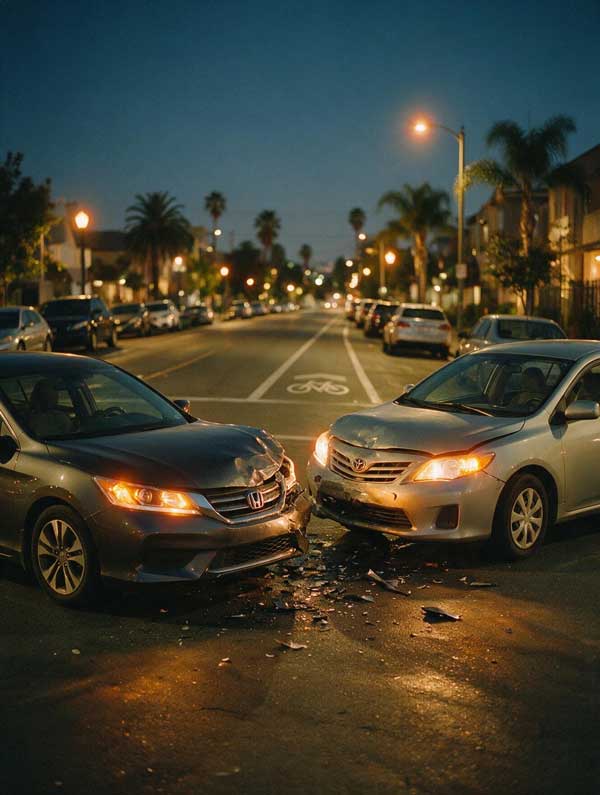
If you've been injured in a car accident, whether by a drunk, speeding, or negligent driver, you deserve full compensation. Schedule a consultation with a reliable car accident attorney today. We're dedicated to making sure each of our clients gets justice.
See Car Accident Cases
A catastrophic injury may result in blindness, deafness, or other disabilities that will impact someone for their entire life. If you or a loved one has experienced a catastrophic injury, don't hesitate to consult an injury attorney to secure the compensation you're owed.
See Catastrophic Injury Cases
Nearly half of all accidents involving a motorcycle lead to a serious injury. Motorcycles are dangerous, and drivers should be held accountable for negligence. If you have been injured by a reckless motorcyclist, give us a call to secure the compensation you deserve.
See Motorcycle Accident Cases
Every day people are seriously injured by negligent drivers in pedestrian areas and while crossing roads. If you have been hurt in a pedestrian-related accident, get in touch with Gingery Hammer & Associates, LLP to see if you're eligible for compensation.
See Pedestrian Injury Cases
Defective and dangerous products injure people every day. When a manufacturer, distributor, or retailer puts an unsafe product into your hands, they can be held strictly liable. We investigate the defect, preserve the evidence, and pursue the full compensation you're owed.
See Product Liability Cases
If you are ever injured on someone else's property, the property owner can (and should) be held accountable for all your injuries. We'll handle your premises liability lawsuit and make sure you are rightfully and fully compensated by the property owner for your accident.
See Premises Liability Cases
Commercial truck drivers are held to a higher liability standard than other drivers on the road. If you have been injured in a collision with a big-rig, delivery truck or any other commercial vehicle, give us a call to seek compensation right away.
See Truck Accident Cases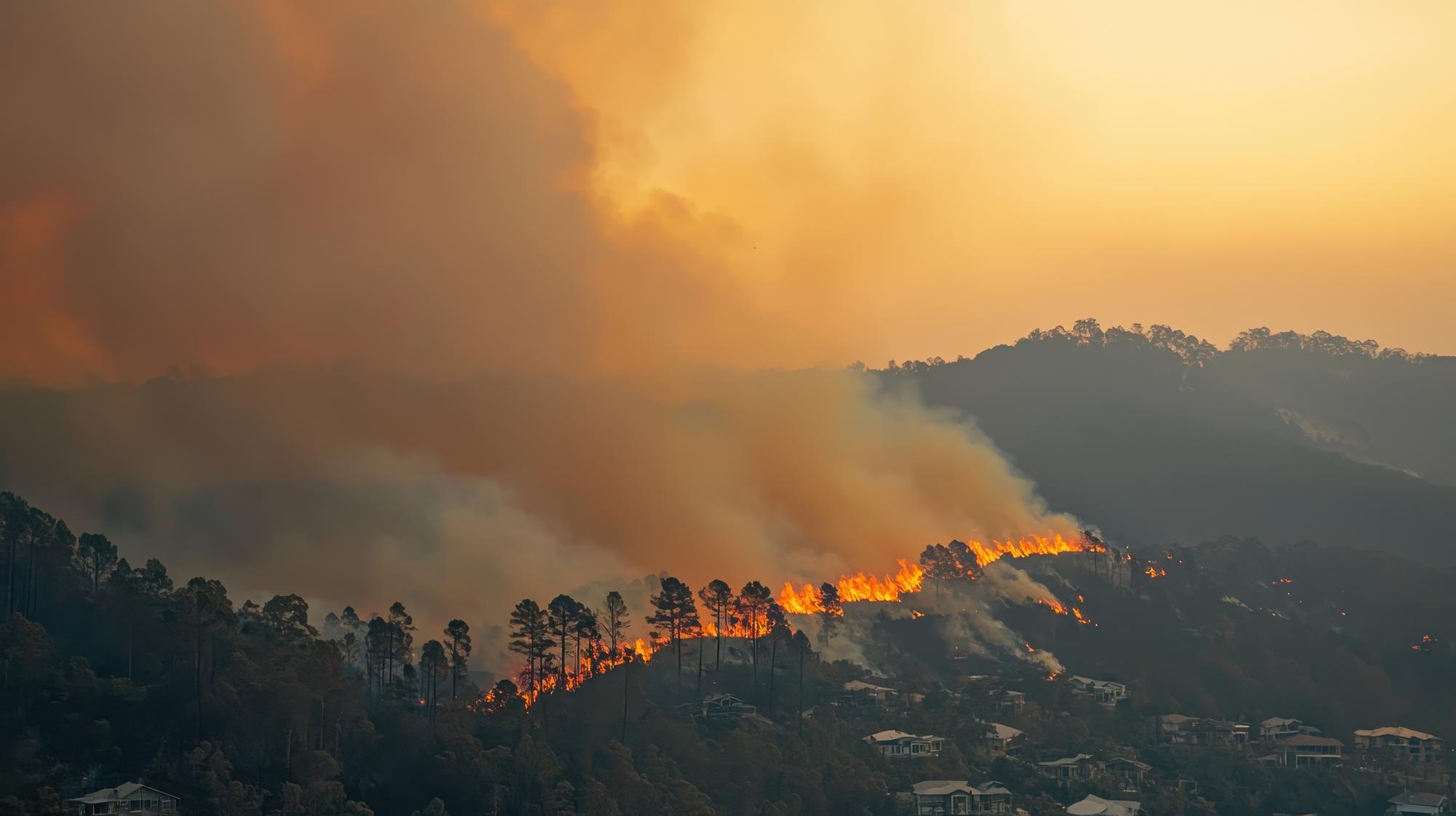
Our injury lawyers are dedicated to helping victims of wild fires who have been left with injuries or property loss. If you have questions about the cause of the fire and how you can receive compensation, contact Gingery Hammer & Associates, LLP today.
See Wildfire Lawsuits Cases
A wrongful death settlement can help give support to grieving families in a challenging and devastating time, and provide assistance and financial support for the dependents' futures. Reach out to us today, and let us seek justice for the loss of your loved one.
See Wrongful Death CasesFrom the Blog
November 26, 2026
November 23, 2026
November 19, 2026