




$15,000,000
Three daughters lost their father to a 1990 murder unsolved for decades. We pursued the convicted step-mother civilly and won a landmark wrongful-death judgment.
Pools, Decks, Trees & Open Space
A pool gate that won't latch, a deck that drops, a tree that falls. The property itself did the harm.
Reviewed by Gingery Hammer & Associates, LLP · Updated November 21, 2026
Some injuries in Roseville come from the place, not a spill or a slip. When a pool, deck, wall or tree hurts someone, California law asks who controlled that spot and what they should have done about it.


$33M+
Featured Case Results
Every claim is pursued for its full value, so recoveries reflect what an injured family actually needs.
75+
Years of Combined Experience
Seasoned judgment guides each decision, so the path forward is clear at every stage of a case.
1,000+
Injury Cases Handled
Proven preparation keeps cases moving efficiently, so questions get real answers and nothing gets overlooked.
Dangerous Property Claims
Most people think of premises cases as falls on a wet floor. This page is about something else. Here the danger is built into the place. A child slips through a pool gate that no longer swings shut. Guests crowd onto a deck, and a rotted ledger board pulls away from the house. A dead oak drops a limb across a backyard. A retaining wall leans for months and then gives way. Nobody spilled anything. The property was simply not kept safe.
In Roseville these cases often start in ordinary places. They happen at a friend's barbecue, a rental home, a neighbor's yard or a common area run by a homeowners association. They can also happen on open land in Placer County, where people hike, swim and ride. Each setting brings different rules. A backyard pool falls under a state drowning-prevention law. A free hike on private land falls under a law that limits the owner's duty. A county trail has its own protections in the Government Code.
The first question is always the same: who had control of the spot where you got hurt? The second is whether the danger was the kind a careful person would have found and fixed. Our Roseville premises liability attorney page covers the general rules for every kind of property injury. If the injury was on a staircase, see our page on improperly maintained stairways in Roseville.
Prefer to start online? Request a free case review or download the free California Personal Injury Guide.
Key Facts
Statute of Limitations
2 years
Claims against the City of Roseville or Placer County: 6 months
Attorney Fee
0%
Unless we win
Case Review
Free
And confidential
Service Area
Roseville
Roseville & all of Placer County
Call Now
(916) 999-9093
Direct to Roseville office
The Law
CACI Nos. 1000, 1002
Cal. Health & Safety Code §§ 115921(a), 115922(a)
Cal. Health & Safety Code § 115923
Cal. Civ. Code § 846; CACI No. 1010
Cal. Gov. Code §§ 831.2, 831.4; CACI No. 1110
Cal. Code Civ. Proc. § 335.1; Cal. Gov. Code § 911.2
Every case type we take at this office: Personal injury attorney in Roseville.
Why Gingery Hammer & Associates
Contingency fee. No upfront costs, no hourly bills, no retainer.
Decades of combined courtroom experience. Insurers know we prepare every case for trial.
We know the corridors, courts, and communities of Placer County.
$33M+ recovered for injured clients across Northern California.
You talk to your lawyer — not a call center.
We deal with the adjusters so you can focus on healing.
Meet Your Attorneys
Common Causes
These are the property conditions that most often lead to a serious injury:
Common Injuries
When a structure fails or a pool is left open, the harm is often sudden and severe. Common injuries include:
After a Property Injury
Call 911 for any water rescue, even if the person seems fine afterward. For a fall or a crush injury, go to an emergency room and tell them exactly what failed or fell.
Decks get rebuilt and trees get hauled away within days. Take wide and close photos of the broken board, the pulled bolts, the rotten stump, or the gate and latch. Put a coin or tape measure in the frame for scale.
A snapped bracket, a rusted bolt or a cracked latch can show how long the problem existed. If you can keep it safely, do. If not, ask a lawyer to request that the owner keep it.
Write down who owns the home, who rents it, and whether an HOA or a management company runs the pool or common area. More than one of them may share responsibility.
For a pool or spa injury, note the fence height, whether the gate closed on its own, where the latch sits, and whether there was a cover, door alarm or pool alarm.
Neighbors, guests and tenants may have complained about the sagging deck or the leaning tree. Texts, emails and HOA meeting notes can show the owner knew.
Roseville requires a building permit to build, alter or repair most structures. Permit records can show whether a deck, wall or pool was built or changed without one.
A lawyer can ask the owner, the HOA and their insurers in writing to keep repair invoices, inspection reports, security video and the failed parts themselves.
Featured Case Results
Some outcomes the firm has reached for injured clients. Each case turns on its own facts, so these are not a forecast of yours.
$15,000,000
Three daughters lost their father to a 1990 murder unsolved for decades. We pursued the convicted step-mother civilly and won a landmark wrongful-death judgment.
$7,500,000
Elderly veteran suffered a spinal cord injury when stacked crates fell on him at a warehouse. We secured a full settlement plus a pre-settlement handicap vehicle and medical costs.
$2,000,000
A drywaller was tragically killed on an active construction site due to preventable safety and communication failures. A multi-seven-figure recovery brought closure to his family.
Prior results do not guarantee a similar outcome.
Serving Roseville
An injury on property in Roseville can be filed in Placer County Superior Court. Its main courthouse, the Hon. Howard G. Gibson Courthouse, is in Roseville and houses the clerk's office and a self-help center. Our office is at 400 Sunrise Ave, Suite 250. Our Roseville personal injury attorney page explains our contingency fee: no fee unless we win.
The City of Roseville's Code Enforcement Division enforces city, zoning and building codes on public and private property. Under Chapter 16.35 of the Roseville Municipal Code, buildings or structures that endanger the public or their occupants can be ordered repaired, vacated or demolished. The city's Building Division requires a permit before most structures are built, altered or repaired. To bring a claim against the city, you fill out a Government Claim Form and return it to the City Clerk at the Roseville Civic Center.
Placer County's Hidden Falls Regional Park, in the Auburn foothills, has more than 30 miles of natural-surface trails, plus waterfalls and trails that lead to swimming spots. The state rules for public trails and natural land described above can come into play in parks like that one. Sutter Roseville Medical Center runs a Level II trauma center that serves an 11-county region. If a child was hurt after wandering onto someone's property, read our Roseville trespassing injury page.
Also serving Sacramento: Accident on Dangerous Property Lawyer in Sacramento
Compensation
California lets an injured person recover money for the harm the property caused. A claim can include:
We fight. You heal. That's the deal.
Hurt by a pool, deck, tree or wall in Roseville? Tell us about it in a free case review.
FAQ
Often the person who controls the pool, such as the homeowner, a landlord, or an HOA for a shared pool. The question is whether they used reasonable care to keep it safe, including a working fence, gate and cover. A pool built or remodeled under a permit must also have at least two drowning-prevention features under state law.

Not always a fence, but a newly built or remodeled pool at a single-family home must have at least two of seven listed safety features. A fence that isolates the pool is one choice. Others include a certified safety cover, door exit alarms, self-latching doors and a certified pool alarm. Older pools without a recent permit may not be covered by this rule.

Yes, you may have a claim against the owner or whoever controlled the deck. Guests are owed reasonable care, and a deck that pulls away from a house usually shows rot, rust or poor building. Photos of the failed boards and bolts, plus any permit records, are often the key evidence.
Usually the person who controls the land the tree grows on, if a careful owner would have seen the tree was dead, split or leaning and did nothing. A healthy tree knocked down by a sudden storm is a harder case. Earlier complaints and photos of decay can show the danger was visible.
Usually not, because California limits an owner's duty to people using land for free recreation. There are three exceptions. They apply when the owner willfully or maliciously failed to warn of a danger, when you paid to enter, or when the owner expressly invited you rather than just allowing you in.
Rarely for the trail itself. State law says a public agency is not liable for injuries caused by the condition of a recreational trail or by a natural condition of unimproved land. A claim may still be possible for an injury caused by something else in the park, away from the trail and the natural land. That claim must be filed with the agency within six months.
Two years from the injury for most claims against a private owner, tenant or HOA. If the City of Roseville, Placer County or another public agency is involved, you must first present a written claim to that agency within six months. Acting early also helps keep the evidence before repairs erase it.
This page is general information, not legal advice. Every case depends on its own facts.
Related Practice Areas
Every case type we handle: Personal injury attorney in Roseville · Also serving Sacramento: Accident on Dangerous Property Lawyer in Sacramento

All bicycle accidents should be taken seriously because the injuries sustained could be severe. If you have been injured in a preventable crash, call us now for a free consultation. Our professional bicycle accident attorneys will help you obtain your settlement award.
See Bicycle Accident Cases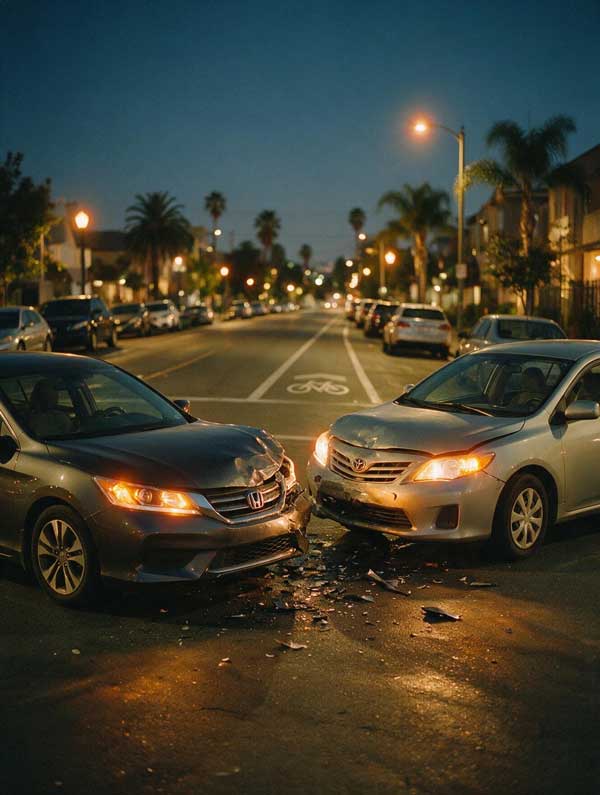
If you've been injured in a car accident, whether by a drunk, speeding, or negligent driver, you deserve full compensation. Schedule a consultation with a reliable car accident attorney today. We're dedicated to making sure each of our clients gets justice.
See Car Accident Cases
A catastrophic injury may result in blindness, deafness, or other disabilities that will impact someone for their entire life. If you or a loved one has experienced a catastrophic injury, don't hesitate to consult an injury attorney to secure the compensation you're owed.
See Catastrophic Injury Cases
Nearly half of all accidents involving a motorcycle lead to a serious injury. Motorcycles are dangerous, and drivers should be held accountable for negligence. If you have been injured by a reckless motorcyclist, give us a call to secure the compensation you deserve.
See Motorcycle Accident Cases
Every day people are seriously injured by negligent drivers in pedestrian areas and while crossing roads. If you have been hurt in a pedestrian-related accident, get in touch with Gingery Hammer & Associates, LLP to see if you're eligible for compensation.
See Pedestrian Injury Cases
Defective and dangerous products injure people every day. When a manufacturer, distributor, or retailer puts an unsafe product into your hands, they can be held strictly liable. We investigate the defect, preserve the evidence, and pursue the full compensation you're owed.
See Product Liability Cases
If you are ever injured on someone else's property, the property owner can (and should) be held accountable for all your injuries. We'll handle your premises liability lawsuit and make sure you are rightfully and fully compensated by the property owner for your accident.
See Premises Liability Cases
Commercial truck drivers are held to a higher liability standard than other drivers on the road. If you have been injured in a collision with a big-rig, delivery truck or any other commercial vehicle, give us a call to seek compensation right away.
See Truck Accident Cases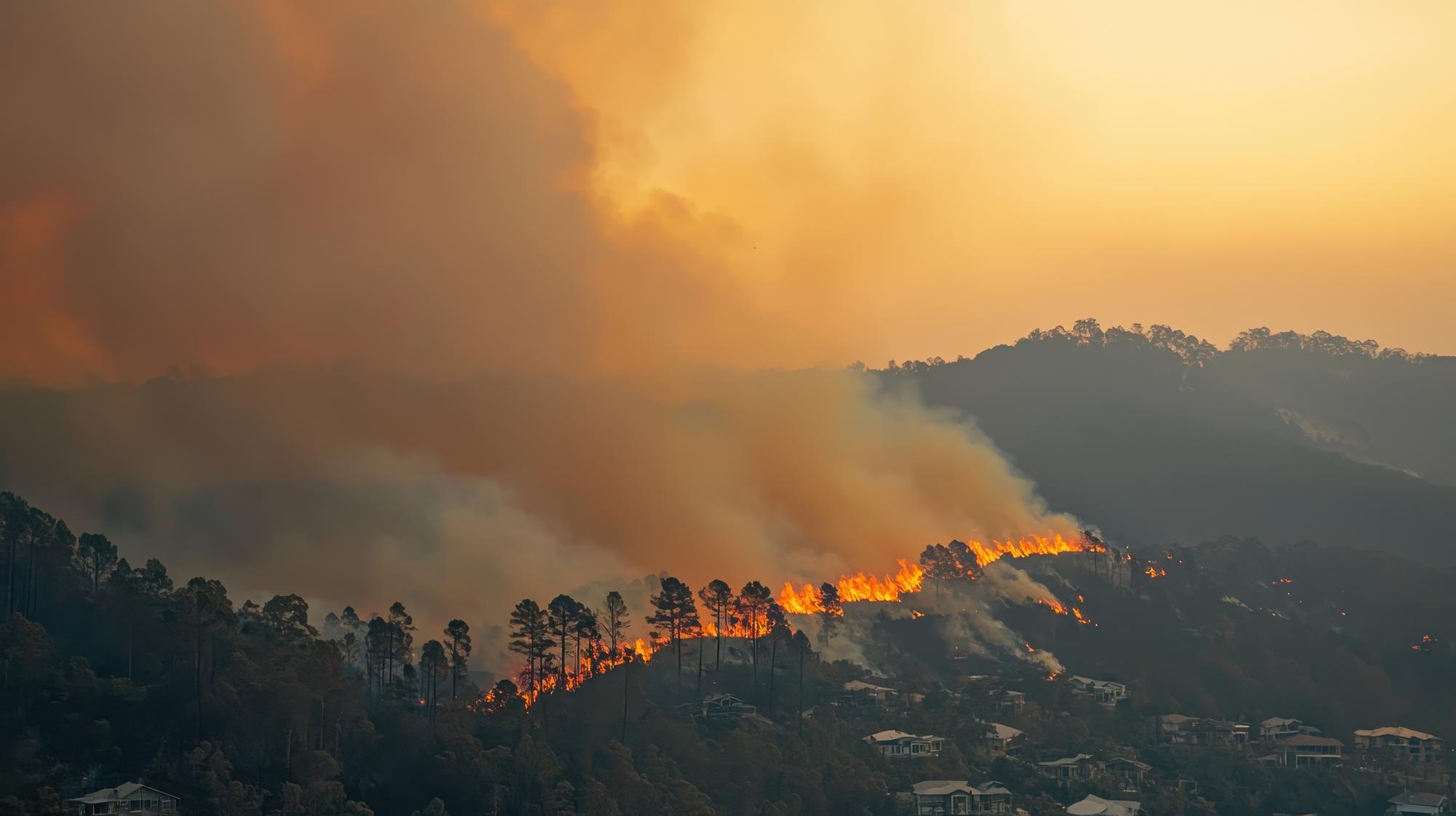
Our injury lawyers are dedicated to helping victims of wild fires who have been left with injuries or property loss. If you have questions about the cause of the fire and how you can receive compensation, contact Gingery Hammer & Associates, LLP today.
See Wildfire Lawsuits Cases
A wrongful death settlement can help give support to grieving families in a challenging and devastating time, and provide assistance and financial support for the dependents' futures. Reach out to us today, and let us seek justice for the loss of your loved one.
See Wrongful Death CasesFrom the Blog
November 26, 2026
November 23, 2026
November 19, 2026