

$15,000,000
Three daughters lost their father to a 1990 murder unsolved for decades. We pursued the convicted step-mother civilly and won a landmark wrongful-death judgment.
Buckles, Retractors, Webbing and Anchors
You buckled up. The belt still let go. That is a question about the belt, not about you.
Reviewed by Gingery Hammer & Associates, LLP · Updated November 21, 2026
A seat belt is supposed to hold you in your seat through a crash. When a buckle pops open, a retractor keeps feeding out webbing, or an anchor tears loose, the people who made the belt and the car can be responsible for the injuries that follow.

$33M+
Featured Case Results
Every claim is pursued for its full value, so recoveries reflect what an injured family actually needs.
75+
Years of Combined Experience
Seasoned judgment guides each decision, so the path forward is clear at every stage of a case.
1,000+
Injury Cases Handled
Proven preparation keeps cases moving efficiently, so questions get real answers and nothing gets overlooked.
Seat Belt Defect Claims
A crash on Interstate 80 near the Douglas Boulevard exit, a T-bone on Pleasant Grove Boulevard, a rollover on Highway 65. In each one, a working seat belt keeps the body against the seat while the car takes the hit. A belt that fails lets the body keep moving. The person can strike the steering wheel, the roof or the side glass, or leave the car completely.
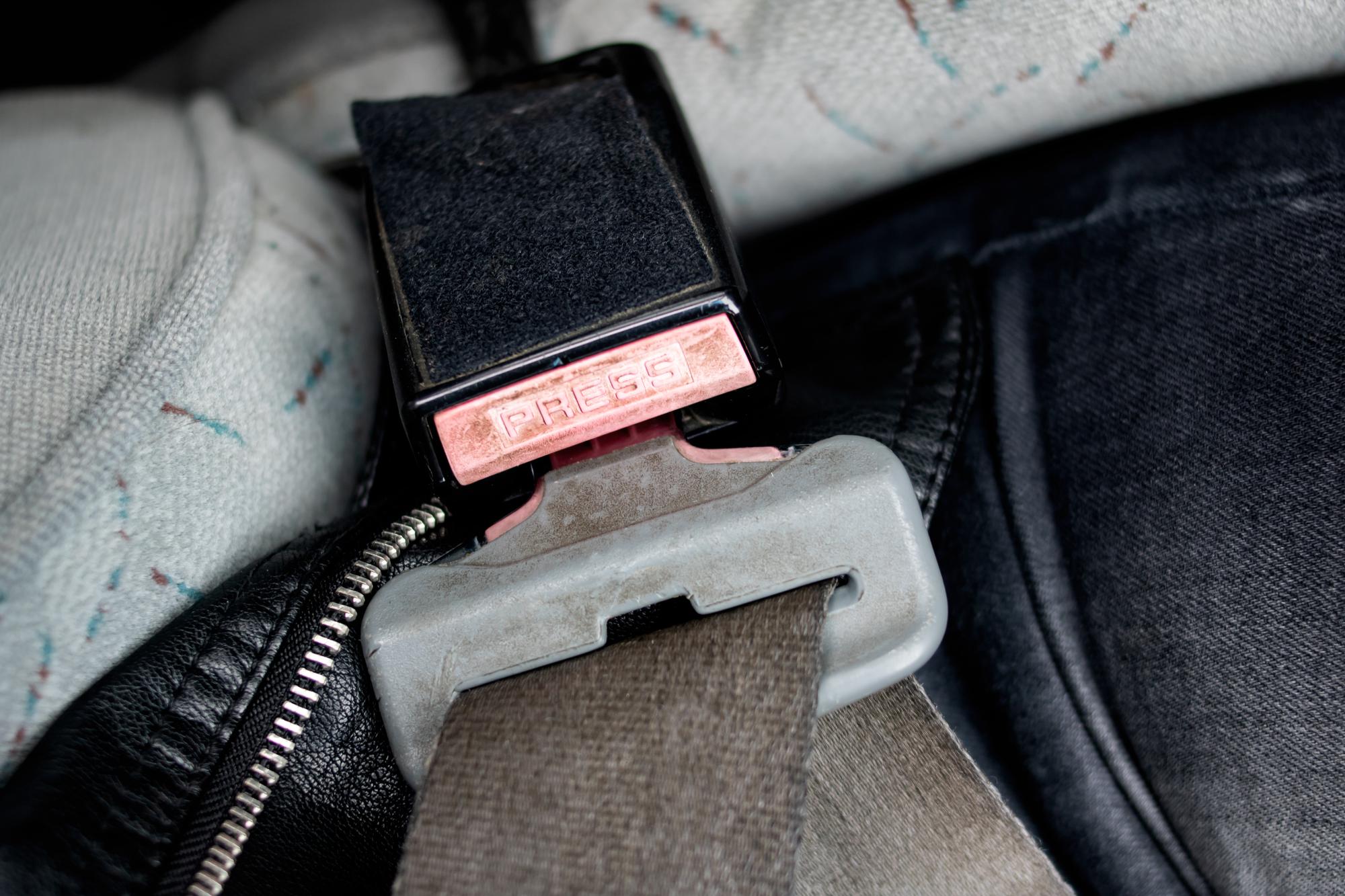
Belts fail in a few known ways. The buckle can release when something presses on it during the crash. The retractor, the spring reel in the pillar that stores the belt, can fail to lock and let webbing spool out. The webbing can tear. The anchor bolts can pull out of the floor or the pillar. Each failure points to a different part and sometimes a different company.
These cases are product claims, not just crash claims. The driver who caused the collision may be responsible for the crash itself. The companies behind the belt may be responsible for the injuries that a working belt would have prevented. Both can be part of one case. For the crash side, see our Roseville car accident attorney page.
Prefer to start online? Request a free case review or download the free California Personal Injury Guide.
Key Facts
Statute of Limitations
2 years
From the crash; keep the vehicle long before then
Attorney Fee
0%
Unless we win
Case Review
Free
And confidential
Service Area
Roseville
Roseville & all of Placer County
Call Now
(916) 999-9093
Direct to Roseville office
The Law
49 C.F.R. § 571.209, S4.1(e), S4.3(d)
49 C.F.R. § 571.209, S3, S4.1(j), S4.2(b), S4.3(j)
49 C.F.R. § 571.208, S2, S4.1.4.2(b), S4.1.5.1
CACI Nos. 1200, 1201, 1203, 1204
CACI No. 1208
Cal. Code Civ. Proc. §§ 335.1, 352
Every case type we take at this office: Personal injury attorney in Roseville.
Why Gingery Hammer & Associates
Contingency fee. No upfront costs, no hourly bills, no retainer.
Decades of combined courtroom experience. Insurers know we prepare every case for trial.
We know the corridors, courts, and communities of Placer County.
$33M+ recovered for injured clients across Northern California.
You talk to your lawyer — not a call center.
We deal with the adjusters so you can focus on healing.
Meet Your Attorneys
How Belts Fail
These are the failures engineers most often look for after a crash:
Common Injuries
When the belt lets go, the body hits the inside of the car or is thrown out. Injuries often include:
After a Crash
Tell the medical team you were wearing your belt and what you remember about it, such as the buckle opening or the belt going slack. Belt marks on your body can matter, so ask that bruising be noted and photographed.
If the car is totaled, write to your insurer and the tow yard right away. Ask them not to sell, crush or strip it. The belt, buckle, retractor and anchors must stay in the car exactly as they were.
Leave the belt as it was found if you can. Pulling webbing out or snapping the buckle can change the marks engineers need to read.
Take close photos of the buckle, the webbing, the pillar where the belt exits and the floor anchor. Shoot the belt label too. Federal rules require the year, model and maker on it.
The 17-character VIN is on the lower left of the windshield and on your registration. NHTSA's search shows unrepaired recalls from many manufacturers. Save a screenshot of the result.
Ask for the report from the agency that came to the scene, such as the Roseville Police Department or the California Highway Patrol. Check what it says about who was wearing a belt.
Your car may have an event data recorder. Under federal rules, a covered recorder stores whether the driver's belt was fastened in the moment before a crash. Do not let anyone pull or download it except through your lawyer.
Featured Case Results
These are a few past results from the firm's work. They depended on their own facts and are no promise about another case.
$15,000,000
Three daughters lost their father to a 1990 murder unsolved for decades. We pursued the convicted step-mother civilly and won a landmark wrongful-death judgment.
$7,500,000
Elderly veteran suffered a spinal cord injury when stacked crates fell on him at a warehouse. We secured a full settlement plus a pre-settlement handicap vehicle and medical costs.
$2,000,000
A drywaller was tragically killed on an active construction site due to preventable safety and communication failures. A multi-seven-figure recovery brought closure to his family.
Prior results do not guarantee a similar outcome.
Serving Roseville
A seat belt defect claim from a Roseville crash can be filed in Placer County Superior Court, because the county where the injury happened is a proper place for trial. The case may also be brought against a carmaker based outside California. Where it is filed is a choice to make early, with the car's evidence already secured.
People hurt in serious crashes on I-80, Highway 65 or Sunrise Avenue are often taken to Sutter Roseville Medical Center, whose campus includes a Level II trauma center serving an 11-county region. The worst injuries may be sent to UC Davis Medical Center in Sacramento, which says it is the only level 1 trauma center in California north of San Francisco.
Our Roseville office is at 400 Sunrise Ave, Suite 250. The Roseville personal injury attorney page explains our contingency fee and free case review. If the failed belt caused a head injury, our Roseville traumatic brain injury attorney page covers how those injuries are documented.
Also serving Sacramento: Defective Seatbelt Accident Lawyer in Sacramento
Compensation
A belt failure often turns a survivable crash into a life-changing one. A claim can seek:
We fight. You heal. That's the deal.
Your belt was on and it still failed? Ask for a free case review before the car is sold.
FAQ
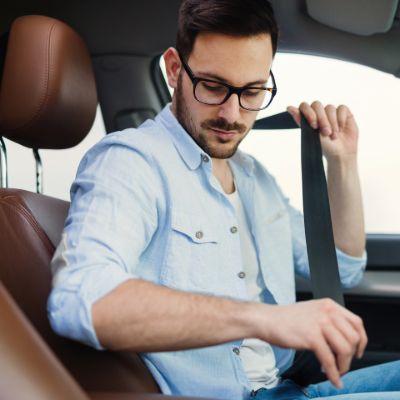
Often you cannot tell by looking. Warning signs include a buckle found open after the crash, webbing pulled far out of the retractor, torn webbing or a loose anchor. An engineer usually has to inspect the belt in the car and compare it with the federal standard and the maker's design.
Usually the vehicle manufacturer, and sometimes the company that made the belt system. California holds makers, distributors and sellers of a defective product strictly liable. A parts maker can be liable if its own part was defective, or if it helped integrate the part in a way that made the system defective.
It can. NHTSA says a recall is issued when a vehicle or equipment creates an unreasonable safety risk or fails to meet minimum safety standards. A recall on your belt does not prove your belt failed, but it can show the maker knew of a problem.
Ask in writing that the car not be sold, crushed or salvaged until it can be inspected. Send the request to the insurer and to the tow or storage yard. Once a totaled car is auctioned, the belt may be lost for good.
Yes. The driver who caused the crash can be responsible for the collision. The belt maker can be responsible for injuries a working belt would have prevented. Both claims can be brought together in one case.
Federal Motor Vehicle Safety Standard 209 covers seat belt assemblies, including buckles, webbing and retractors. Standard 208 covers occupant crash protection and says which seats need which kind of belt. Both are published in Title 49 of the Code of Federal Regulations.
Generally two years from the crash under California law. If the injured person was a child, the time is paused until age 18. The car is the evidence, so it needs to be protected right away, long before the deadline.
This page is general information, not legal advice. Every case depends on its own facts.
Related Practice Areas
Every case type we handle: Personal injury attorney in Roseville · Also serving Sacramento: Defective Seatbelt Accident Lawyer in Sacramento
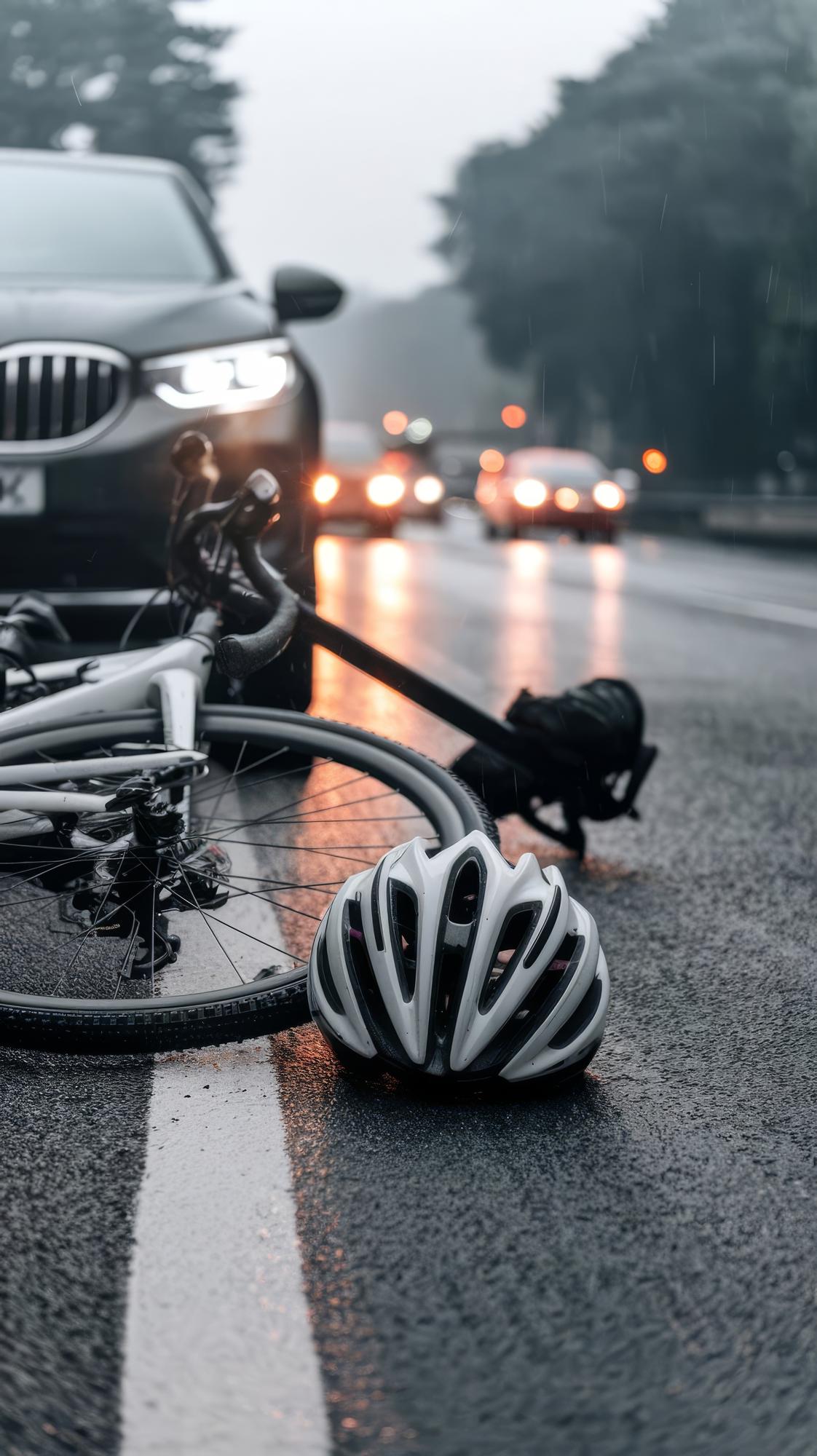
All bicycle accidents should be taken seriously because the injuries sustained could be severe. If you have been injured in a preventable crash, call us now for a free consultation. Our professional bicycle accident attorneys will help you obtain your settlement award.
See Bicycle Accident Cases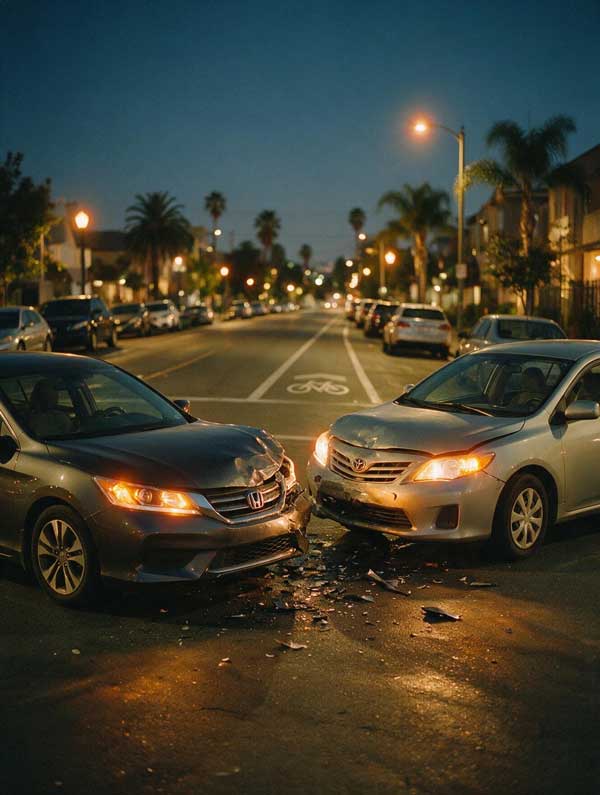
If you've been injured in a car accident, whether by a drunk, speeding, or negligent driver, you deserve full compensation. Schedule a consultation with a reliable car accident attorney today. We're dedicated to making sure each of our clients gets justice.
See Car Accident Cases
A catastrophic injury may result in blindness, deafness, or other disabilities that will impact someone for their entire life. If you or a loved one has experienced a catastrophic injury, don't hesitate to consult an injury attorney to secure the compensation you're owed.
See Catastrophic Injury Cases
Nearly half of all accidents involving a motorcycle lead to a serious injury. Motorcycles are dangerous, and drivers should be held accountable for negligence. If you have been injured by a reckless motorcyclist, give us a call to secure the compensation you deserve.
See Motorcycle Accident Cases
Every day people are seriously injured by negligent drivers in pedestrian areas and while crossing roads. If you have been hurt in a pedestrian-related accident, get in touch with Gingery Hammer & Associates, LLP to see if you're eligible for compensation.
See Pedestrian Injury Cases
Defective and dangerous products injure people every day. When a manufacturer, distributor, or retailer puts an unsafe product into your hands, they can be held strictly liable. We investigate the defect, preserve the evidence, and pursue the full compensation you're owed.
See Product Liability Cases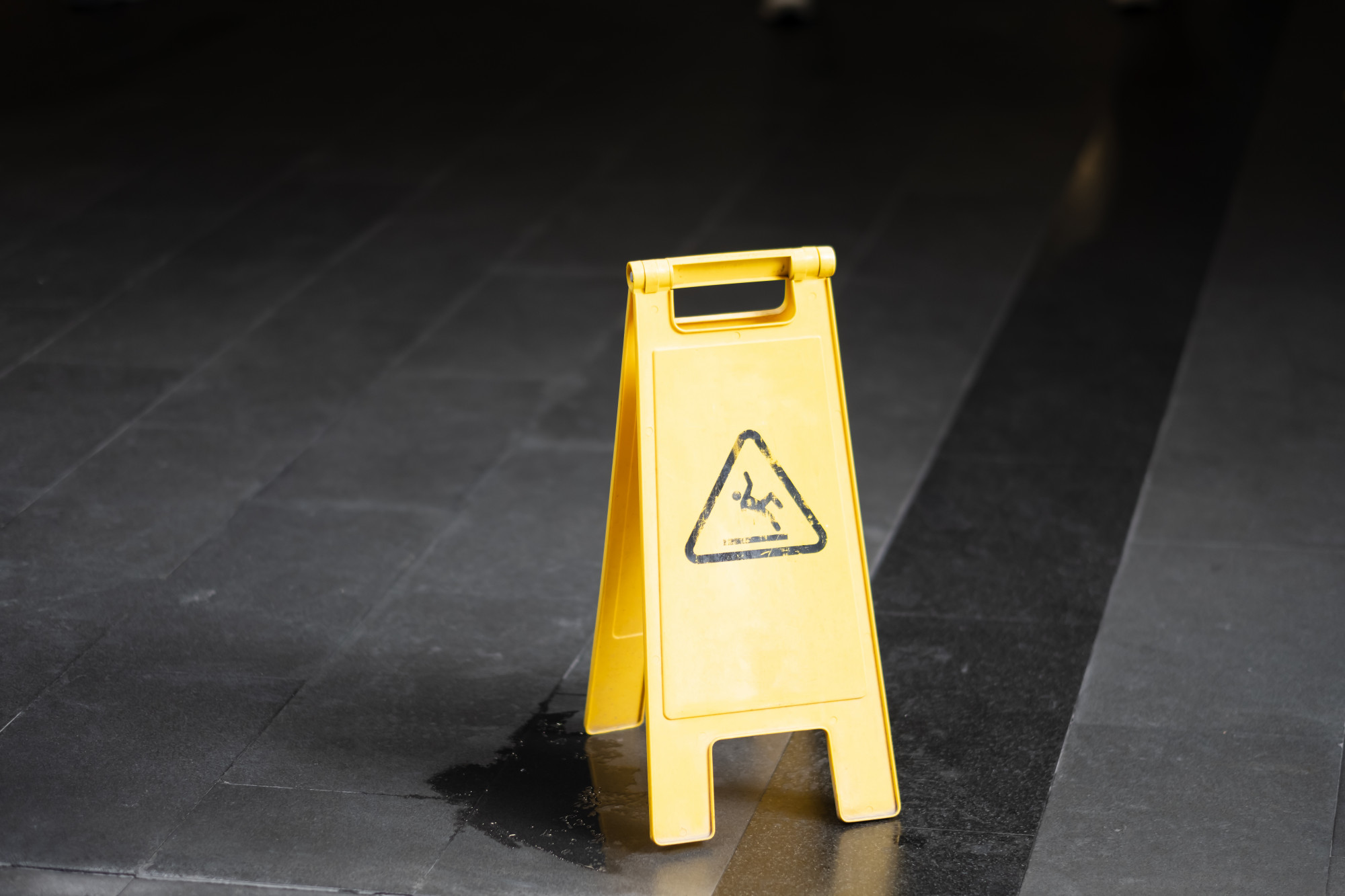
If you are ever injured on someone else's property, the property owner can (and should) be held accountable for all your injuries. We'll handle your premises liability lawsuit and make sure you are rightfully and fully compensated by the property owner for your accident.
See Premises Liability Cases
Commercial truck drivers are held to a higher liability standard than other drivers on the road. If you have been injured in a collision with a big-rig, delivery truck or any other commercial vehicle, give us a call to seek compensation right away.
See Truck Accident Cases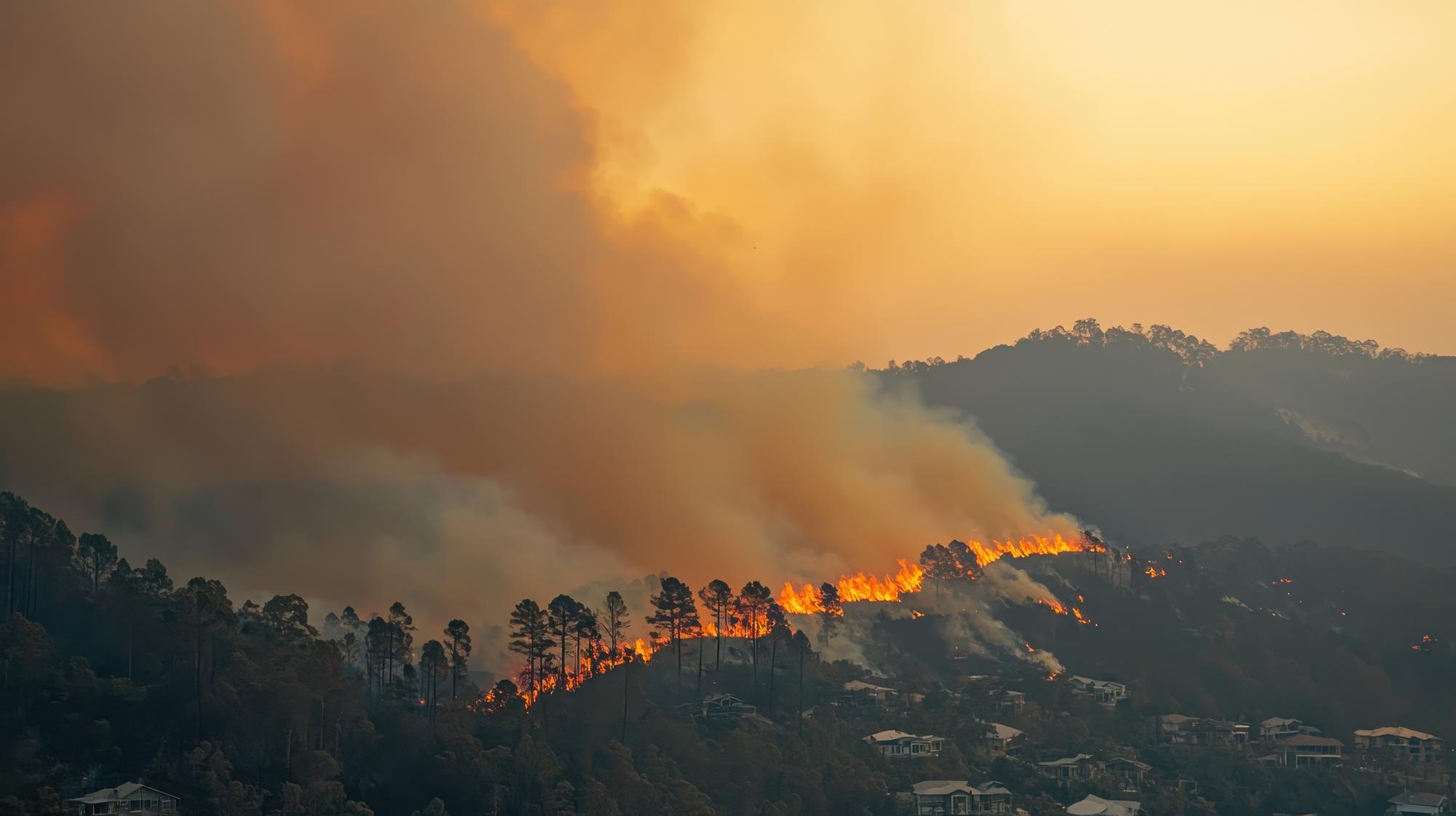
Our injury lawyers are dedicated to helping victims of wild fires who have been left with injuries or property loss. If you have questions about the cause of the fire and how you can receive compensation, contact Gingery Hammer & Associates, LLP today.
See Wildfire Lawsuits Cases
A wrongful death settlement can help give support to grieving families in a challenging and devastating time, and provide assistance and financial support for the dependents' futures. Reach out to us today, and let us seek justice for the loss of your loved one.
See Wrongful Death CasesFrom the Blog
November 26, 2026
November 23, 2026
November 19, 2026