


Blog
Work-Related Head Trauma and Recovery Options
Whether it’s a construction site, warehouse, or office building in Roseville, many jobs come with risks most people don’t think about until something goes wrong. Head trauma is...
- Published
- December 7, 2025
- Updated
- Reading time
- 7 min read
- Author
- Gingery Hammer & Associates, LLP
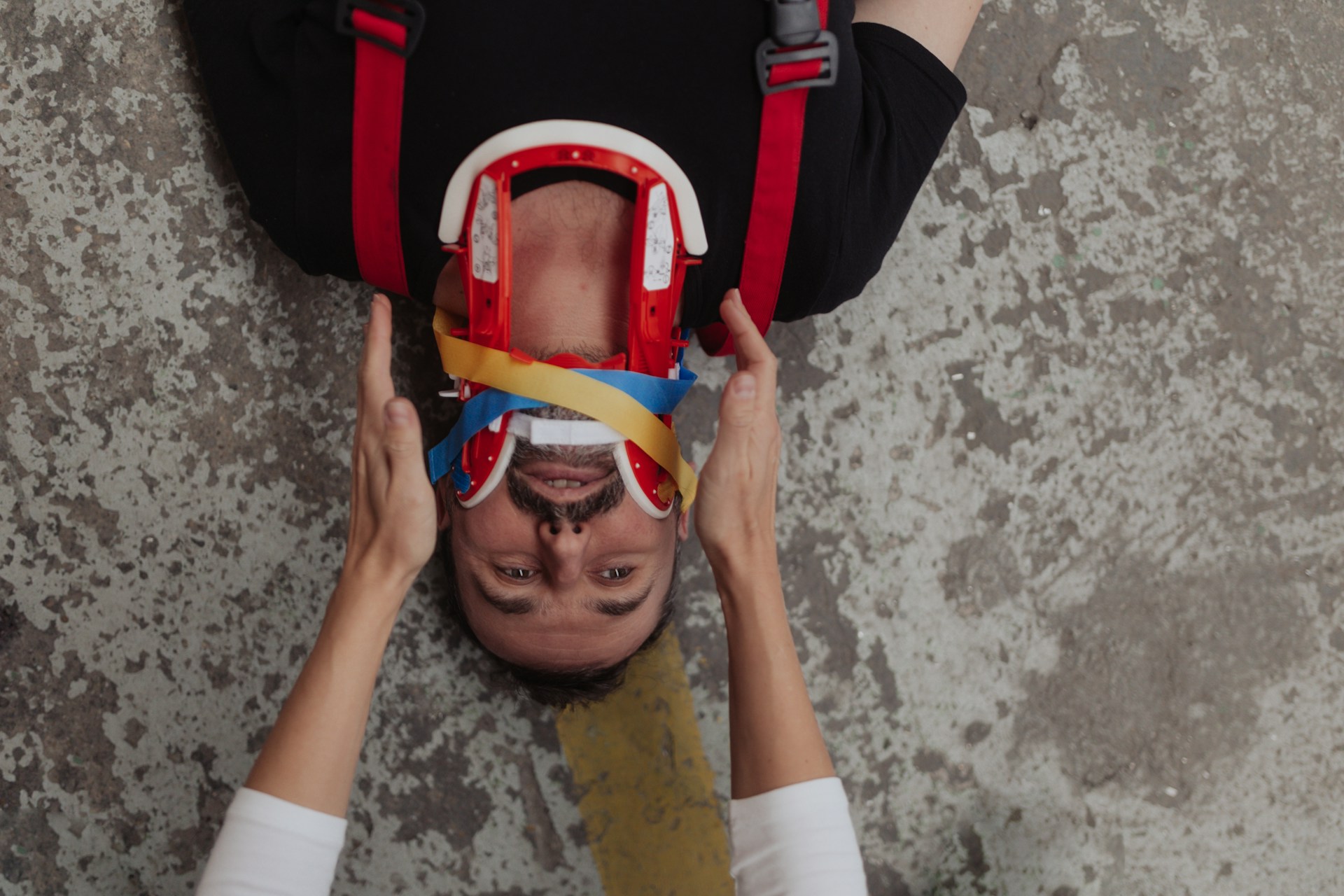
Whether it’s a construction site, warehouse, or office building in Roseville, many jobs come with risks most people don’t think about until something goes wrong. Head trauma is one of those injuries that can happen fast and affect someone for a long time afterward. A quick slip on a wet floor or an object falling from above can change a person’s life in seconds. These types of injuries don’t just disrupt work—they also impact day-to-day tasks and your ability to focus, move around, or rest properly.
That’s why it’s so important to understand the recovery process after a work-related head injury. It’s not always just about healing physically. Recovery can mean taking time off, seeking out the right medical care, and sometimes figuring out where to turn for help. Learning what to expect and what to do next can make the whole process feel less overwhelming. Whether you’re dealing with a minor concussion or more serious trauma, knowing your options can help guide your next step.
Common Causes Of Work-Related Head Trauma
Head injuries happen in all kinds of settings, not just high-risk jobs. Even workplaces that seem low-key can present real dangers. Understanding how these injuries happen makes it easier for workers and employers to watch out for the signs and take precautions where possible.
Some of the most common causes of head trauma at work include:
Slips, trips, or falls on uneven flooring, stairs, ladders, or wet surfaces
Objects falling from shelves or heights, like tools or inventory
Accidents involving machinery or vehicles
Collisions with walls, glass doors, or equipment
Assault or physical altercations in the workplace
A concussion doesn’t always need a direct blow to the head. A hit to the body that makes the head and brain move quickly back and forth can cause one too. Certain jobs present greater risks. The CDC names construction, freight trucking, and building services among the higher-risk industries, and construction has the greatest number of work-related brain injuries in the country. In a federal study of construction deaths, falls, especially from roofs, ladders, and scaffolds, led to more than half of the fatal brain injuries.
One common example is a warehouse worker reaching for a box on a high shelf when another item becomes dislodged and falls. Even a quick duck may not be enough. Without a helmet or hard hat, direct impact on the head can bring on a concussion or worse. These scenarios can happen at any point in a shift, including the busiest hours.
Even when injuries seem mild at first, signs of a concussion can take hours or days to appear or be noticed. Dizziness, trouble thinking clearly, and headaches are all signs worth taking seriously. That’s why it’s helpful for anyone in a work environment—whether you’re on your feet all day or sitting in front of a screen—to understand the signs and risks of head trauma.
Immediate Steps To Take After A Head Injury At Work
When a head injury happens at work, time matters. The right steps early on can make a difference in how recovery goes and help avoid complications later. Even if someone says they feel okay, it’s better to act cautiously. Symptoms from head injuries don’t always show up right away.
Here are some steps to follow if someone experiences a head injury at work:
1. Stop what you’re doing and check for injuries: Don’t try to push through it. Sit or lie down if you’re unsteady. Bleeding or loss of balance needs quick attention.
2. Report the injury right away: Tell a manager or supervisor as soon as you can. California law sets a 30-day window to give your employer notice, and if your employer doesn’t learn about the injury within 30 days, you could lose your right to workers’ compensation benefits.
3. Seek medical help: Whether that means getting first aid or going to urgent care, let a trained medical professional check you out. Even if you feel fine, a doctor will know what to look for. Call 911 or go to the emergency room for danger signs like a headache that gets worse and won’t go away, repeated vomiting, slurred speech, seizures, or trouble staying awake.
4. Write down what happened: If you can, jot down everything while it’s fresh—what you were doing, where you were, who saw it happen, and what warnings were in place or missing.
5. Follow medical recommendations: If a doctor suggests rest or other limits on your activities, take them seriously. Ask for written guidance on when it’s safe to go back to work or to drive, and cut back if your symptoms get worse.
Workplace head injuries are often unexpected and confusing. There’s a lot happening around you, and it can be tough to think clearly after getting hurt. Keeping calm and getting help quickly gives you the best shot at real recovery.
Workers’ Compensation After A Head Injury
In California, a work injury is usually handled through workers’ compensation. Benefits are paid no matter who was at fault for the injury. Here is how the first weeks of a claim generally work:
Your employer must give or mail you a claim form (DWC 1) within one working day of learning about an injury that causes lost time beyond your shift or needs treatment beyond first aid. Fill out the employee section and return it right away.
Within one working day after you file the claim form, your employer must authorize medical treatment. Until the claim is accepted or denied, that treatment is limited to $10,000.
If your claim isn’t denied within 90 days after you file the form, the injury is presumed to be covered in most cases.
If you can’t work while you recover, temporary disability benefits generally pay two-thirds of the gross wages you lose, up to a weekly maximum set by law.
Proceedings to collect medical and disability benefits generally must be started within one year of the injury, or of the last date benefits were paid or provided.
In most cases, you can’t sue your employer for a job injury, because workers’ compensation is the exclusive remedy. There are narrow exceptions, such as a willful physical assault by the employer or an employer that is illegally uninsured.
Long-Term Recovery And Support
Recovering from a head injury doesn’t end once the swelling goes down or the dizziness fades. For many, the weeks and months that follow are just as hard as the moments right after the injury. Head trauma can affect memory, balance, concentration, and even mood. These changes might not be noticeable to others, but they can change how you experience your everyday life.
Recovery isn’t always quick or easy. Most people with a mild brain injury or concussion can return to work and many other activities within a few days or weeks. Others need weeks, months, or longer, and some can’t go back to the same type of job. What makes a big difference is the level of support you receive along the way. That may include access to a neurologist, occupational therapist, or mental health professional, depending on the type and severity of the trauma. You might need rehabilitation therapy, long-term medication, or help adjusting to new routines at home and work.
Here are a few things that can help during recovery:
Rest for the first few days, then ease back into regular activities as your doctor advises
Stick with all follow-up medical visits, and call your doctor if symptoms don’t go away within two to three weeks or get worse
Keep a fixed bedtime and wake-up time, and limit screens and loud music before bed
Avoid activities that could cause another injury to your head
Ask about workplace adjustments, such as rest breaks, a shorter schedule, a later start time, or less screen time
A head injury doesn’t always leave a visual sign like a bruise or scar, but that doesn’t mean it isn’t serious. Healing isn’t always about speed. What matters is finding the right resources to support your day-to-day needs and prevent further setbacks.
Legal Support From A Catastrophic Injury Attorney
If your head injury was serious enough to change how you live or work, you may want guidance beyond just medical treatment. This is where a catastrophic injury attorney comes into the picture. They can help you understand what your rights look like after a traumatic event on the job.
When you’re dealing with paperwork, missed paychecks, or tough medical choices, it helps to have someone in your corner who understands how these cases work. This kind of support is especially helpful when your injury may have long-term effects on your body, mind, or job.
Sometimes the person responsible isn’t your employer. A driver from another company, a contractor on a shared job site, or the maker of faulty equipment may have caused the injury. California law keeps your right to bring a claim against someone other than your employer, even while you receive workers’ compensation. That kind of injury lawsuit generally must be filed within two years.
In Roseville, the process of seeking compensation after a workplace accident can get complicated. Having someone who regularly handles serious injury cases related to workplace accidents can make a real difference. They can guide you through filing claims, gathering medical documentation, and identifying what options may be available to you. This support helps you focus more on getting better and less on the stress of trying to handle everything yourself.
A head injury can shift the way you go through life, and in these moments, having someone who understands the legal side of recovery can take a real weight off your shoulders.
Frequently Asked Questions
How long do I have to report a head injury at work in California?
Report it right away. California law sets a 30-day window to give your employer notice, and if your employer doesn’t learn about the injury within 30 days, you could lose your right to workers’ compensation benefits.
Can I sue my employer for a head injury at work?
In most cases, no. Workers’ compensation is the exclusive remedy against an insured employer, with narrow exceptions such as a willful physical assault by the employer or an employer that is illegally uninsured.
Can I file a claim against someone other than my employer?
Yes, if someone other than your employer caused the injury, such as another company’s driver or the maker of faulty equipment. A workers’ compensation claim doesn’t take away that right, and an injury lawsuit against that person generally must be filed within two years.
What does workers’ comp pay for after a head injury?
It can cover medical care and temporary disability payments while you recover. Temporary disability generally pays two-thirds of the gross wages you lose, up to a weekly maximum, and other benefits can include permanent disability, a job displacement voucher, and death benefits for dependents.
What if my employer hasn’t accepted my claim yet?
Your employer must still authorize treatment, up to $10,000, within one working day after you file the claim form. If the claim isn’t denied within 90 days after you file it, the injury is presumed to be covered in most cases.
When do concussion symptoms show up?
Signs and symptoms can take hours or days to appear or be noticed. Get emergency care for a headache that gets worse and won’t go away, repeated vomiting, slurred speech, seizures, or trouble staying awake.
How long does it take to recover from a work concussion?
Most people with a mild brain injury or concussion return to work and many other activities within a few days or weeks. Some have symptoms for months or longer, and recovery may be slower for older adults and people who have had a concussion before.
Sources
- California Labor Code § 5400 (30 days to give the employer notice of a work injury)
- California Labor Code § 5401 (claim form within one working day of notice of injury)
- California Labor Code § 5402 (90-day presumption; treatment up to $10,000 while the claim is decided)
- California Labor Code § 5405 (one-year period to start proceedings for benefits)
- California Labor Code § 3602 (workers’ compensation is the exclusive remedy against the employer, with exceptions)
- California Labor Code § 3852 (claims against people other than the employer)
- California Code of Civil Procedure § 335.1 (two-year deadline for injury claims)
- DIR Division of Workers’ Compensation, FAQs for employees (30-day warning, temporary disability at two-thirds, exclusive remedy, uninsured employers, the five benefits)
- DIR Division of Workers’ Compensation, How to file a claim (claim form, $10,000 treatment, 90 days)
- DIR, Workers’ Compensation in California: A Guidebook for Injured Workers (benefits regardless of fault)
- CDC HEADS UP, Concussion signs and symptoms (delayed symptoms, danger signs)
- CDC, About Traumatic Brain Injury (bump, blow, or jolt, or a hit to the body)
- CDC, What to Do After a Mild TBI or Concussion (rest, gradual return, sleep, recovery time)
- CDC, TBI in the Workplace (higher-risk industries, return to work, accommodations)
- CDC NIOSH, Construction Helmets and Work-related TBI (construction has the most work-related TBIs; falls)
This article is general information, not legal advice. Every case depends on its own facts.
Related practice areas
- Roseville Traumatic Brain Injury Attorney
- Roseville Construction Accident Lawyer
- Roseville Catastrophic Injury Lawyer
Our offices: Personal injury attorney in Roseville · Personal injury attorney in Sacramento · Download the free California Personal Injury Guide