


Blog
Who Can File a Wrongful Death Lawsuit in Roseville
Learn who can file wrongful death lawsuits in Roseville and how wrongful death lawyers can support your case. Discover your legal options today.
- Published
- October 13, 2025
- Updated
- Reading time
- 6 min read
- Author
- Gingery Hammer & Associates, LLP
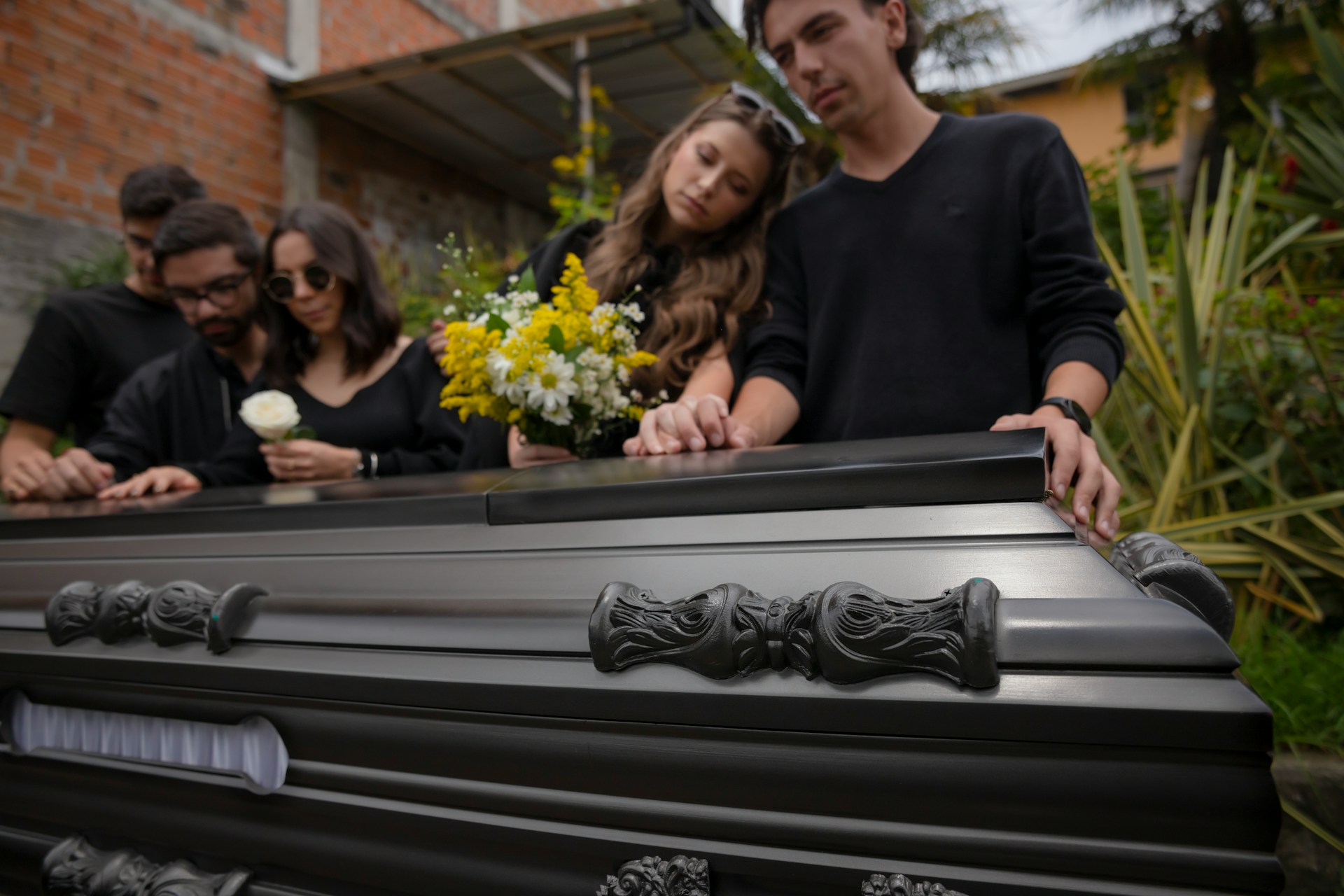
Losing a loved one is never easy, especially when it happens because of someone else’s actions. After a wrongful death, families in Roseville can be left with a flood of emotions, unanswered questions, and unexpected responsibilities. In the middle of grief, it’s natural to wonder what your next steps should be and who has the legal right to take action on behalf of the person who passed away.
Understanding who can file a wrongful death lawsuit is an important step for families trying to find some stability. Whether it’s a spouse seeking to carry on in the face of loss or parents looking out for young children left behind, it helps to know where you stand. While it won’t change the tragedy that occurred, knowing your rights can make it slightly easier to decide how to move forward.
Understanding Wrongful Death Lawsuits
A wrongful death lawsuit is a legal action brought by certain family members when a person dies as a result of someone else’s misconduct or negligence. These cases can come up in many situations, such as accidents involving vehicles, hazardous property conditions, or unsafe behaviors. The goal is not just about pointing fingers. It’s about trying to hold the responsible party accountable and pursuing compensation to help with things like funeral costs, lost financial support, or the loss of a loved one’s companionship.
Wrongful death cases fall under civil law, not criminal law. That means the focus is on financial recovery rather than jail time or punishment. These lawsuits do not imply that someone is guilty of a crime, only that their actions or lack of action caused harm. For example, if a distracted driver ran a red light and caused an accident that led to a fatality, a wrongful death case may be an option for the family of the person who passed.
It can feel overwhelming to understand how these cases work from a legal perspective, especially while trying to cope with your grief. Still, having clear and simple information can help you figure out what options exist and what steps to think about next.
Who Is Eligible to File a Wrongful Death Lawsuit?
In California, not everyone can file a wrongful death lawsuit. State law lists the specific people who are allowed to take this step. The goal is to make sure that those most directly affected by the loss have the ability to act. Here’s a breakdown of who may qualify:
- Spouse, domestic partner, and children: The surviving spouse, registered domestic partner, and children come first. If one of the person’s children has already died, that child’s own children can take their place.
- Relatives who would inherit: If the person left no children or grandchildren, the people who would inherit their property under California’s inheritance rules may file. Depending on the family, that can include the spouse or domestic partner along with parents, and then brothers and sisters or grandparents.
- Dependents: Some people may file if they depended on the person who died, even if they are not on the first list. That includes a putative spouse (someone who believed in good faith that their marriage was valid), that spouse’s children, stepchildren, and parents. A legal guardian may also qualify if the person’s parents have died.
- A minor who lived in the home: A child may file if they lived in the person’s household for the 180 days before the death and depended on the person for at least half of their support.
- The personal representative: The executor or administrator of the estate can bring the wrongful death claim on behalf of the family members listed above.
Each case can be a little different depending on the family dynamics or situation. For example, if a child dies and both parents are present in the child’s life, they may both be entitled to file. California generally expects all of the family members’ claims to be brought together in one lawsuit, so the responsible party does not face a series of separate cases.
The estate also has its own claim, separate from the family’s. It is often called a survival action. It covers losses the person had before they died, such as medical bills or lost wages, and it is brought by the personal representative or, if there is none, by the person’s successor in interest.
Factors to Consider Before Filing
Before taking steps to file a wrongful death lawsuit in Roseville, there are a few important things to keep in mind. Each wrongful death case is unique, and understanding what’s involved can help minimize stress and confusion during an already emotional time.
One of the first things to look into is the time window for filing. Wrongful death lawsuits must be filed within a certain period, called the statute of limitations. In most California cases, that period is two years. If a government agency may be responsible, a written claim usually must be presented to that agency within six months. If the deadline is missed, the court may not allow anyone to move forward with the case, no matter how strong it might be.
Next, there’s the question of proof. A wrongful death claim has three basic parts: a wrongful act or negligence, a death that resulted from it, and losses suffered by the family. This could include things like reckless driving, unsafe working conditions, or carelessness in medical settings. Proving fault often relies on collecting records, witness statements, or other forms of evidence that support the claim.
Finally, the reason many families choose to pursue a wrongful death claim is tied to compensation. The kinds of losses California juries may consider include:
- Funeral and burial costs
- Financial support the person would have provided to the family
- Gifts or benefits the family would have expected to receive
- The value of household services the person would have provided
- The loss of the person’s love, companionship, comfort, care, protection, and moral support
- The loss of the person’s training and guidance
California law does not compensate family members for their own grief or sorrow in a wrongful death case, and the family’s claim does not include the pain the person suffered before death. Medical bills from the final injury are claimed by the estate in its separate survival action.
No amount of money can replace a loved one, but these cases often help families cover financial losses and find some level of acknowledgment for what happened.
How Wrongful Death Lawyers Can Help
Dealing with the legal process while also handling a personal loss can feel like way too much. Wrongful death lawyers can take on the legal side of things and help families stay focused on what matters most. While every case is different, these professionals often guide people through complicated steps with a steady hand.
Here’s how an experienced wrongful death lawyer can provide support:
- Help figure out if you’re eligible to file
- Walk you through timelines and paperwork
- Collect and organize the right type of evidence
- Offer clear answers to common questions
- Stand up for you when speaking with insurance companies or in court
It’s not just about filling out forms. For many families, having someone to lean on during this type of lawsuit can take off a huge burden. Lawyers who know California law and the courts that serve Roseville can help narrow the focus and give better direction when needed, so families don’t have to feel stuck making choices alone.
Seeking Justice for Your Loved One
When someone passes away because of another person’s mistake or carelessness, filing a wrongful death lawsuit can be one way to speak up on their behalf. It isn’t something anyone wants to go through, but it can offer a sense of purpose after everything has changed. For some people, it becomes a step toward closure.
Taking action early is often a smart move. As time passes, it can get harder to remember specific details, find records, or reach witnesses. Even if you’re unsure whether a case can be filed, asking questions and getting information now can save time and stress later.
Waiting can lead to more obstacles, so don’t brush off those early signs telling you something needs to be addressed. A conversation about next steps might open the door to support, answers, or solutions you hadn’t considered yet. Whether you’re trying to protect a child’s future, cover expenses, or just feel heard, it’s worth looking into options for your family.
If you’re facing the challenges of a wrongful death case in Roseville, securing the right legal support can make all the difference. Find out how experienced wrongful death lawyers can help you navigate the process with care and clarity. Gingery Hammer & Associates, LLP is here to help you take those next steps with confidence.
Frequently Asked Questions
Who can file a wrongful death lawsuit in California?
The surviving spouse, registered domestic partner, and children can file first. If there are no children or grandchildren, the relatives who would inherit may file instead. Certain dependents, and the estate’s personal representative on the family’s behalf, can also bring the claim.
Can parents file a wrongful death lawsuit for an adult child?
Sometimes. Parents can file if their adult child left no children or grandchildren, because parents are then among the people who would inherit. Parents can also file if they depended on their child for support.
Can a stepchild or a child living in the home file?
Yes, in some cases. A stepchild can file if they depended on the person who died. A minor can also file if they lived in the person’s home for the 180 days before the death and relied on the person for at least half of their support.
Can an unmarried partner file a wrongful death lawsuit?
Generally not as a partner. The law names spouses and registered domestic partners, and an unregistered partner is not on that list. A person who believed in good faith that they were validly married may qualify as a putative spouse if they were dependent on the person who died.
What do you have to prove in a California wrongful death case?
You have to show a wrongful act or negligence, a death caused by it, and the family’s losses. Evidence such as accident reports, records, and witness statements often helps show fault.
What damages can the family recover?
The family may recover lost financial support, gifts or benefits, household services, funeral and burial costs, and the loss of the person’s love, companionship, care, and guidance. California does not award wrongful death damages for the family’s own grief or sorrow.
How long does the family have to file?
In most cases, two years. If a government agency may be responsible, a written claim usually must be presented to the agency within six months, so it helps to ask early.
Sources
- California Code of Civil Procedure § 377.60 (who may bring a wrongful death claim: spouse, domestic partner, children, heirs, dependents, minors in the household, personal representative)
- California Probate Code § 6402 (order of inheritance: children, then parents, then brothers and sisters, then grandparents)
- California Code of Civil Procedure § 377.30 (the estate’s own claim passes to the personal representative or successor in interest)
- California Code of Civil Procedure § 377.34 (the estate’s claim covers losses the person had before death)
- Judicial Council CACI No. 3921 (wrongful death damages; no award for grief or the decedent’s pain; elements of the claim; heirs’ claims tried together) and No. 3919 (survival damages), 2026 edition
- California Code of Civil Procedure § 335.1 (two-year deadline for injury and wrongful death claims)
- California Government Code § 911.2 (six months to present a death or injury claim to a public entity)
This article is general information, not legal advice. Every case depends on its own facts.
Related practice areas
- Roseville Wrongful Death Attorney
- Roseville Catastrophic Injury Lawyer
- Roseville Personal Injury Attorney
Our offices: Personal injury attorney in Roseville · Personal injury attorney in Sacramento · Download the free California Personal Injury Guide