

Blog
What Makes Motorcycles Hard to See on Roseville Roads
Explore visibility challenges motorcyclists face on Roseville roads and learn how a motorcycle accident law firm can assist in navigating related cases.
- Published
- August 6, 2025
- Updated
- Reading time
- 7 min read
- Author
- Gingery Hammer & Associates, LLP
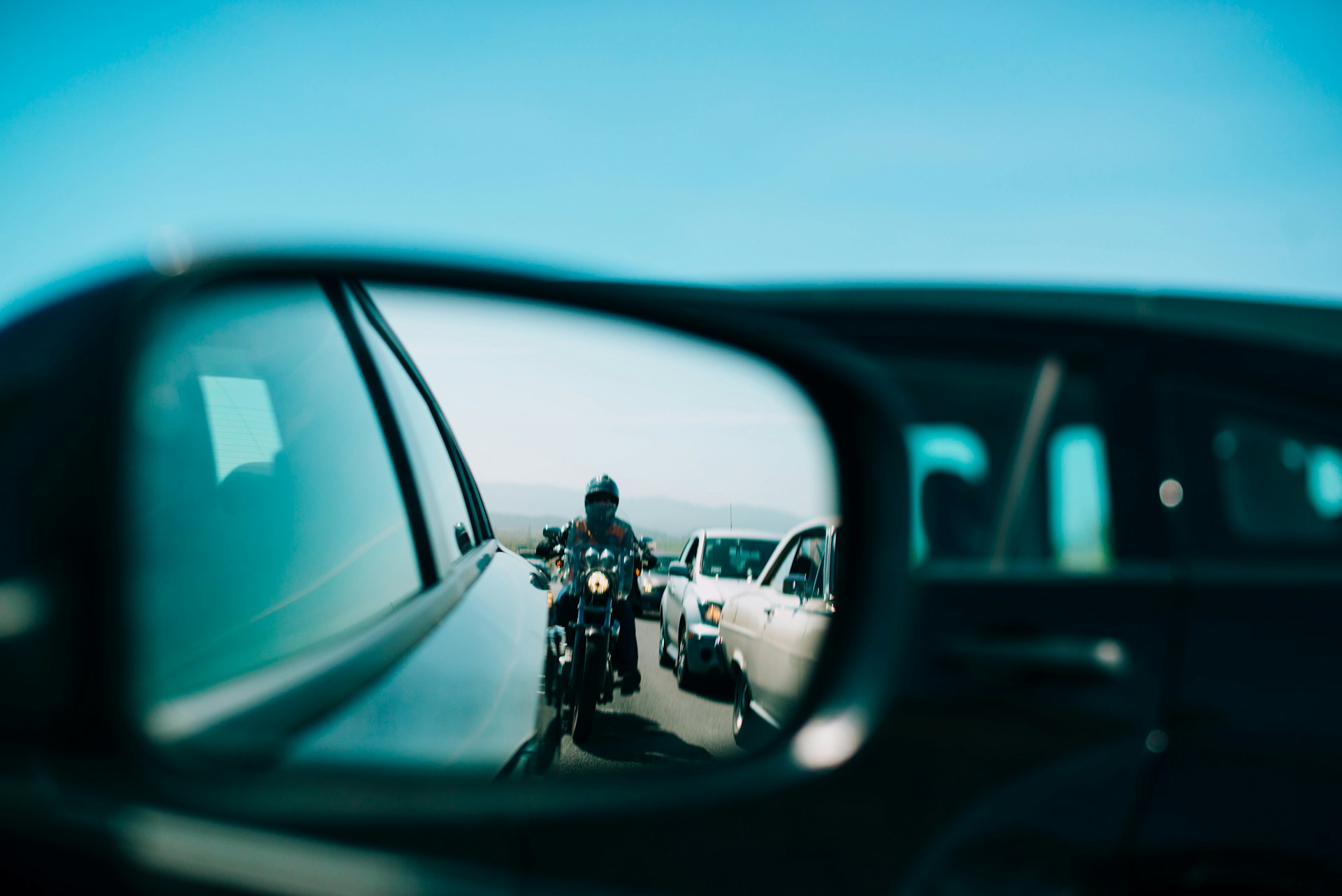
Motorcycles are more than just a way to get from one place to another. For many, they’re a preferred mode of transportation, especially in places like Roseville where the sun shines longer and the roads offer a bit of breathing room. But even with great weather and wide-open lanes, riders still face one frustrating risk — being hard to spot. It’s not just about driver error. There are some real, everyday factors that make motorcycles nearly invisible to other drivers.
From the small size of motorcycles to the way they interact with traffic, these two-wheelers often get overlooked until it’s too late. Understanding why this happens is the first step in helping everyone share the road more safely. Whether you’re a rider or a driver, knowing the signs of when motorcycles are harder to see can make a big difference.
Understanding The Visibility Challenges For Motorcycles
Motorcycles don’t take up much space. That’s one of the reasons riders like them — they’re easy to park, fuel efficient, and can move through traffic more smoothly. But this same feature works against them when it comes to being visible to other drivers.
From ahead or behind, a motorcycle’s outline is much smaller than a car’s. It can easily get lost in the background, especially in busy intersections or along tree-lined roads, or be hidden by another vehicle. The California Motorcycle Handbook adds a harder truth: it is hard to see something you are not looking for, and most drivers are not looking for motorcycles.
Their small size also creates other problems. A driver approaching an intersection might misjudge how far away a motorcycle is or how fast it’s going. The handbook explains that smaller vehicles appear farther away and seem to be traveling slower than they actually are. So a driver may pull out, thinking there is plenty of time, when there isn’t.
The colors and gear worn by motorcyclists matter too. Riders dressed in dark clothing or wearing a dull helmet are especially hard to notice in dim lighting, like early morning or sunset. Even the color of the motorcycle can contribute. If the bike is painted a dark color or one that blends into the environment, it may go unnoticed by a passing driver.
For example, imagine driving in downtown Roseville around dusk with long tree shadows falling across the road. A black bike riding in the far-right lane might be nearly invisible under those conditions. In these cases, it’s not always reckless driving. Sometimes, the motorcycle simply wasn’t seen.
Common Situations Leading to Reduced Motorcycle Visibility
Size plays a big part, but so do road habits and condition changes. Here are some of the most common causes of motorcycle visibility issues:
- Blind Spots: Because of their smaller shape, motorcycles fit easily into blind spots around larger vehicles. Drivers who rely only on mirrors and don’t look over their shoulders might easily miss a nearby rider.
- Lane Splitting: California law recognizes lane splitting, where a motorcyclist rides between rows of stopped or moving vehicles in the same lane, and the DMV tells drivers it is legal. It can move riders along faster, but it also places them in spaces where drivers might not expect to see anything at all.
- Weather Conditions: Fog, rain, or sunlight glare can all hide a motorcycle. Rain might splash up from cars in front, making it even harder to spot what’s behind. Bright sun can wash out small details like turn signals or headlights, especially during early mornings or evenings.
Each of these situations increases the risk of a close call or crash, especially if a driver isn’t watching for a motorcycle in that moment. Staying alert helps, but drivers and riders must adjust to these conditions when sharing the road.
Human Factors Contributing to Invisibility
Even when roads are clear and the weather’s good, motorcycles can be missed. Human behavior plays a major role in visibility problems.
One big cause is driver distraction. Phones, music systems, and in-car screens split focus. When a rider is smaller than the average vehicle, one second spent not looking can mean a missed chance to spot them.
Inexperienced drivers also struggle here. Someone new to driving may focus only on their lane or fail to routinely check mirror blind spots. They might not be aware of how a motorcycle can sit out of view just behind a pillar or sign.
Then there are wrong assumptions. Many drivers misread how fast a motorcycle is coming. This often happens at intersections, where a driver may pull out or turn left in front of a motorcycle thinking there’s time, only to realize too late that the bike was much closer. California law requires a driver turning left to yield to oncoming vehicles close enough to be a hazard, and a motorcycle is one of those vehicles.
These factors are common across all experience levels. The fix starts with habit changes. Ask yourself: do I check both mirrors and look over my shoulder? Riders: are you placing yourself in a spot that makes it easier to be seen?
Steps to Improve Motorcycle Visibility
Riders can’t control how others drive, but they can do a few simple things to stand out more. These don’t take major work or spending — just a smarter approach to gear and road choices.
1. Wear Reflective Gear
Bright colors, reflective strips, and light-toned helmets make you more visible during both day and night. The California Motorcycle Handbook says bright orange, red, yellow, or green jackets or vests are best for being seen, and reflective material on a vest and the sides of your helmet helps drivers see you from the side. It also notes that most collisions happen in broad daylight, so bright gear matters at noon, not just at dusk.
2. Use Headlights During the Day
Even in bright sun, a headlight helps make your ride more noticeable. The handbook says a motorcycle with its light on is twice as likely to be noticed. California requires motorcycles made and first registered on or after January 1, 1978, to have a headlight that turns on with the engine and stays on while it runs. It’s still smart to double-check that yours is working and aimed properly.
3. Position Smartly in Your Lane
Too close to the curb or hiding behind a larger vehicle makes you harder to spot. Riders should find positions where they are visible through car mirrors or in a direct line of sight. Avoid riding next to cars and trucks in other lanes, where you may sit in a driver’s blind spot. Speed up or drop back to find a place clear of traffic on both sides.
Picture riding along Highway 65 through Roseville. You’ve got patches of shade mixed with bright daylight. If you’re wearing dark gear, riding low in the right lane, and your headlight is out, you might vanish to the driver next to you. Toss in a quick lane change from that driver, and it’s a close call. Just a few changes in habits could prevent that.
4. Signal Early and Use Your Brake Light
Turn signals tell others what you plan to do, and they also make you easier to see. Use them every time you change lanes or turn. A motorcycle’s brake light is easy to miss, so flash it before you slow down where others may not expect it, like mid-block or at an alley.
The Role of a Motorcycle Accident Law Firm
When a crash happens and a motorcyclist says, “They didn’t see me,” it often traces back to those visibility issues. But proving what happened and then building a case from it isn’t always easy.
“I didn’t see them” does not settle who is at fault. California drivers must keep a lookout for other vehicles, and a driver turning left must keep yielding to oncoming traffic until the turn can be made safely. If the rider was also careless, fault can be shared, and the rider’s damages are reduced by their share of the responsibility.
A motorcycle accident law firm that works locally in Roseville understands the streets, traffic patterns, common intersections, and how crashes often unfold in the area. From blind curves and under-lit corners to intersections known for poor flow, these local patterns matter.
Lawyers also dig deeper by collecting things like helmet camera footage, dashcam video, or even weather reports from the day of the crash. All these pieces help explain the full story of what led to the accident. While it won’t undo the collision, getting the facts straight can shape the path forward.
Protecting Yourself on Roseville Roads
Drivers can help by taking one more second at crosswalks and intersections or checking twice before swapping lanes. Motorcyclists can make smart choices with lane spots, gear color, and headlight use. The better we all see one another, the better our chances of safely getting where we need to go.
Even careful riders can be involved in an accident. When that happens, having help from a trusted motorcycle accident law firm in Roseville makes navigating the days ahead more manageable. That support can make a difference when the road gets difficult.
To help keep your rides safer and make sense of what happens after a crash, it’s important to understand the visibility risks bikers face on the road. If you’ve been involved in an accident and aren’t sure what to do next, Gingery Hammer & Associates, LLP is here to support you. Our experience as a trusted motorcycle accident law firm in Roseville means we can guide you through the difficult aftermath with care.
Frequently Asked Questions
How can I make my motorcycle more visible?
Wear bright or reflective gear, keep your headlight on, and ride in a lane position where drivers can see you. The California Motorcycle Handbook says bright orange, red, yellow, or green jackets or vests are best, and a motorcycle with its light on is twice as likely to be noticed.
Is lane splitting legal in California?
Yes. California law defines lane splitting as riding a two-wheeled motorcycle between rows of stopped or moving vehicles in the same lane, and the DMV tells drivers it is legal. Riders still have to use care, since a car can turn or change lanes suddenly.
Do motorcycle headlights have to be on during the day in California?
On most bikes they are on whenever the engine runs. California requires motorcycles made and first registered on or after January 1, 1978, to have a headlight that turns on automatically with the engine and stays lit while it runs.
Who is at fault when a car turns left in front of a motorcycle?
It depends on the facts, but the turning driver carries the duty to yield. California law requires a driver turning left to yield to oncoming vehicles close enough to be a hazard. If the rider was also careless, for example speeding, fault can be shared and the rider’s damages reduced by their share.
Why do drivers misjudge how fast a motorcycle is coming?
Because smaller vehicles appear farther away and seem slower than they are. The California Motorcycle Handbook says it is common for drivers to pull out in front of motorcyclists thinking they have plenty of time.
How long do I have to file a motorcycle accident claim in California?
Usually two years from the date of the injury, under Code of Civil Procedure § 335.1. If a public agency is involved, a written claim generally must be presented within six months, so it helps to act early.
Sources
- California Motorcycle Handbook, Increasing Visibility (small outline, drivers not looking for motorcycles, smaller vehicles appear farther away and slower, most collisions in daylight, bright and reflective clothing, headlight twice as likely to be noticed, turn signals, brake light, riding alongside vehicles)
- California Driver Handbook, Motorcycles (harder to see, disappear in blind spots, lane splitting is legal)
- California Driver Handbook, Blind Spots (check by looking over your shoulders)
- California Vehicle Code § 21658.1 (definition of lane splitting)
- California Vehicle Code § 25650.5 (motorcycle headlights on automatically for bikes made and first registered on or after January 1, 1978)
- California Vehicle Code § 21801 (left-turning driver must yield to oncoming vehicles close enough to be a hazard)
- CACI Nos. 700 (drivers must keep a lookout for other vehicles), 704 (left turns) and 405 (comparative fault), Judicial Council of California Civil Jury Instructions, 2026 edition
- California Code of Civil Procedure § 335.1 (two-year deadline for injury claims)
- California Government Code § 911.2 (six months to present an injury claim against a public entity)
This article is general information, not legal advice. Every case depends on its own facts.
Related practice areas
- Roseville Motorcycle Accident Lawyer
- Roseville Car Accident Attorney
- Roseville Personal Injury Attorney
Our offices: Personal injury attorney in Roseville · Personal injury attorney in Sacramento · Download the free California Personal Injury Guide