


Blog
Post-Accident Anxiety and Stress Management in Roseville
Discover stress management tips and learn how a Roseville auto injury lawyer can support mental recovery after an accident with Gingery Hammer & Associates.
- Published
- September 2, 2025
- Updated
- Reading time
- 8 min read
- Author
- Gingery Hammer & Associates, LLP
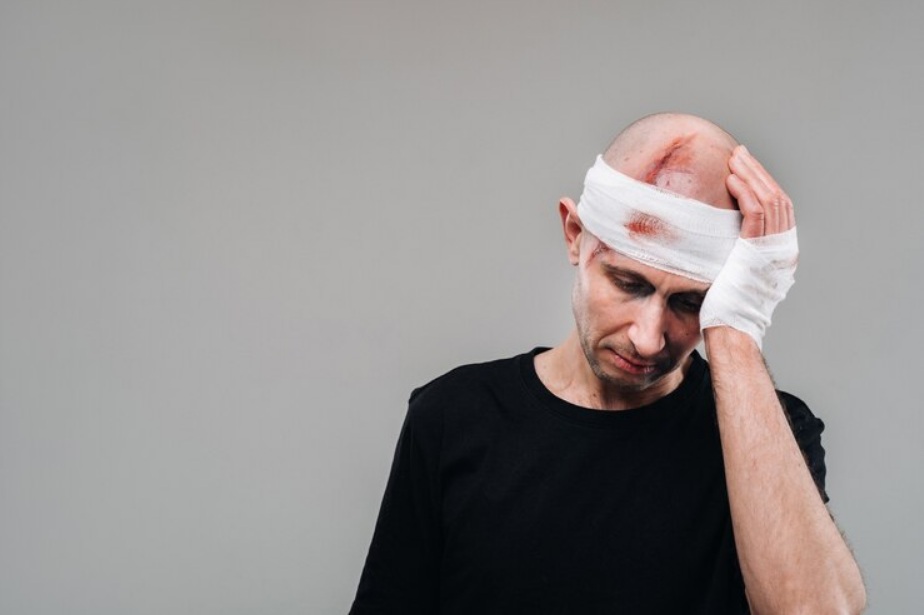
Accidents can be overwhelming. Once the dust settles and the physical injuries begin to heal, many people are surprised by what comes next—emotional aftershocks like stress, anxiety, and fear. These feelings are common after a traumatic event, especially one as jarring as a car accident. They don’t always show up right away, and when they do, they can feel just as hard to manage as any physical pain. Understanding how these experiences affect your mental well-being is an important part of getting back on track.
For anyone recovering in Roseville, day-to-day life can suddenly feel unfamiliar. Simple things like driving through a busy intersection or hearing loud traffic can trigger anxious thoughts or bring back memories of the crash. That’s why recognizing the signs of stress early and taking steps to manage it can make a big difference. Whether it’s finding a local support service or trying small changes to ease daily tension, there are resources across Roseville that can offer help and direction while you sort through everything going on in your head and heart.
Understanding Post-Accident Anxiety
It’s easy to overlook the emotional impact of a car crash, especially when all eyes are focused on physical injuries. But many people experience mental and emotional stress that lingers long after the initial event. It’s not just nerves. It can show up as full-blown anxiety that touches every part of your routine. This can look different for everyone.
Common signs include:
If you’re noticing these symptoms weeks or even months after a crash, you’re not alone. These reactions can affect relationships, work performance, and your ability to feel at ease during everyday tasks. For example, someone living in Roseville who was hit at a busy intersection on Douglas Boulevard might constantly feel on edge whenever passing through that area again.
Many people find these reactions ease with time. When they don’t, or when they start to get in the way of work, sleep, or driving, they deserve real attention. Getting familiar with what you’re feeling and why it’s happening is an important first step. When you name the problem, you take some of its power away.
- Trouble falling asleep or staying asleep
- Difficulty concentrating or remembering details
- Feeling anxious, sad, or angry more than usual
- Being easily startled or feeling tense and on edge
- Memories or bad dreams about the crash that keep coming back
- A racing heart or feeling uneasy behind the wheel
- Avoiding the area where the accident happened
Practical Stress Management Techniques
If you’re dealing with stress after an accident, there are things you can do today that help ease your mind and body. These steps won’t fix everything overnight, but they can create a space for healing to happen little by little.
Try starting with these:
1. Move Your Body Gently
Physical activity helps, and every little bit counts. You don’t need to go all in with intense workouts. If your doctor says it’s okay, a 15-minute walk through Mahany Park or a slow bike ride can help clear your head and improve your mood.
2. Breathe With Intention
Deep breathing brings your focus back to the present. Inhale slowly through your nose, hold it for a few seconds, then exhale through your mouth. Repeat this a few times, especially when you feel stress building.
3. Stick To a Routine
Chaos feeds anxiety. Creating structure helps restore a sense of control. Try to keep regular meal times, go to bed and wake up around the same time every day, and schedule small tasks during the day so life feels more predictable.
4. Limit Triggers
If certain music, places, or headlines bring everything rushing back, take a break from them for a while. That includes the news and social media. This doesn’t mean hiding from everything. It’s about pacing yourself and picking your battles. If you find you’re avoiding driving or whole parts of town for weeks on end, that’s a sign to talk with a professional.
5. Let Yourself Rest
It’s okay to not feel okay every moment. Take breaks. Check in with yourself. Talk with people you trust about how you’re feeling. Giving your mind permission to slow down is part of healing, not a step away from it.
Stress after a crash is real, but it doesn’t get to decide how your story ends. By adding small moments of care and control throughout the day, you begin building the support structure your mind needs to recover. There’s more you can do, and in Roseville, you’re not doing this alone. Local professionals and community groups are here to walk with you through the recovery process.
Seeking Professional Support
Sometimes anxiety sticks around, even after you’ve tried different ways to manage it yourself. That doesn’t mean you’re failing. It just means the stress might need extra attention. Therapy or counseling can help you work through some of the deeper emotional pieces tied to the crash, especially if you can’t shake the feeling of being constantly on edge.
Here are a few signs it might be time to reach out to a mental health professional:
When symptoms like these last longer than a month and disrupt daily life, a doctor may look at post-traumatic stress disorder (PTSD). The main treatments are talk therapy, medication, or both, and improvement usually comes gradually rather than all at once.
Talking with someone trained to help isn’t admitting weakness. It’s taking control of your healing. Therapists can guide you with tools that fit your life and coping style. Some people prefer one-on-one sessions while others find comfort in support groups. Here in Roseville, there are options for both. You can often find local mental health clinics, community centers, or online listings that make it easy to get connected with licensed professionals.
Group therapy or peer-led support groups can also help. Being in a space where others understand what you’re going through makes a real difference. You don’t need to explain everything, because they already get it. Even just listening can help you feel less alone, especially in those moments when everything feels too heavy.
If you are struggling or having thoughts of harming yourself, call or text the 988 Suicide & Crisis Lifeline at 988. In a life-threatening emergency, call 911.
- You avoid driving or feel panicked in traffic
- You wake up with nightmares or have ongoing sleep problems
- You feel hopeless, angry, or numb most of the day
- You can’t focus at work or perform regular tasks
Getting Back Behind the Wheel
Wanting to stay out of the car after a serious crash is a common reaction. The goal is to build your confidence back one small drive at a time.
If fear of driving doesn’t ease after a few weeks, or it keeps you from work and errands, bring it up with your doctor or a therapist. Avoiding driving after a serious car accident is one of the ways post-traumatic stress can show up, and treatment can help.
- Start as a passenger with someone you trust, then take the wheel on a short, familiar route
- Pick quiet times of day before you try busy roads or the intersection where the crash happened
- Use the breathing technique above before you start the car and whenever you stop
- Add a little distance or a little traffic each time instead of jumping straight to a long drive
Legal Support and Its Role in Recovery
One overlooked part of post-accident stress is the pressure that comes with navigating the legal or insurance side of things. If you were injured in a crash, there might be paperwork, phone calls, and deadlines you didn’t see coming. It can get overwhelming fast. That stress only adds another layer to what you’re already dealing with emotionally.
Some of those deadlines are set by California law. A driver in a crash that injures or kills anyone, or causes more than $1,000 in property damage, must report it to the DMV within 10 days. A lawsuit for an injury caused by someone else’s negligence generally must be filed within two years. If a government agency or its employee was involved, a written claim to that agency is generally due within six months.
The emotional side of a crash can matter here too. California law counts mental suffering and emotional distress among the non-economic damages in an injury case. Records from your doctor or therapist can help show what you’ve been going through.
This is where a Roseville auto injury lawyer can make a difference. Allowing someone to handle the legal end can free up your mental space, so you can focus on feeling better. Rather than carrying everything on your own, having someone to manage the complicated parts like talking with insurance companies or keeping track of deadlines can help restore a sense of order during a very uncertain time.
Mental recovery often works better when you’re not juggling too much at once. By teaming up with someone who knows how the process works, you can shift your energy from paperwork to actual healing. And because these professionals are familiar with California law and the needs of accident victims in Roseville, working with someone local can ease that specific kind of tension that creeps in when you’re unsure what step comes next.
Moving Forward and Finding Balance
Healing doesn’t have a timer. Just because the physical pain fades doesn’t mean the emotional part is over. It takes time, care, and sometimes a shift in how you think about recovery altogether. Dealing with anxiety after a crash can feel heavy, but the steps you take now, whether it’s walking around the block, breathing through a panic spell, or reaching out to a therapist, can lighten that weight one piece at a time.
Picture someone who can’t bring themselves to drive for two months after an accident near Sunrise Avenue. With help from a therapist, a patient friend, and a local legal professional handling the paperwork, they slowly regain confidence. It doesn’t happen in a week or even a month, but by focusing on one thing at a time, they get back behind the wheel and back into their day-to-day life.
There’s something really powerful about giving yourself grace during recovery. Anxiety can show up when you least expect it, but it doesn’t get the last word. With the right support, both emotional and legal, you’re building a path forward that works for you. And in Roseville, that path is lined with people and tools ready to help steady the ground beneath your feet.
Finding the right support makes a big difference in recovering after an accident. Let Gingery Hammer & Associates, LLP handle the legal pressure so you can focus on healing. Learn more about how a Roseville auto injury lawyer can help you move forward with confidence. Reach out today for guidance that’s tailored to your needs.
Frequently Asked Questions
Is it normal to feel anxious after a car accident?
Yes. Feeling anxious, sad, or angry, and having trouble sleeping or concentrating, are common reactions after a serious accident. Most people recover from these reactions over time, but it helps to watch how long they last.
How long does anxiety after a car accident last?
It varies from person to person, and most people recover over time. When symptoms last longer than a month and disrupt daily life, a doctor may look at PTSD. Symptoms usually start within three months of the event, but they sometimes appear later.
How do I start driving again after an accident?
Start small: ride as a passenger first, then drive short, familiar routes at quiet times and build up from there. If fear of driving doesn’t ease or keeps you from daily life, talk with a doctor or therapist, because avoiding driving after a serious crash is a recognized stress reaction that treatment can help.
Can emotional distress be part of a car accident claim in California?
It can. California law lists mental suffering and emotional distress as non-economic damages in a personal injury case. Whether they apply, and in what amount, depends on the facts, and records from a doctor or therapist can help show what you went through.
How long do I have to file a car accident injury claim in California?
Generally two years from the date of the injury to file a lawsuit. If a city, county, or state agency may be responsible, a written claim to that agency is generally due within six months, so it’s best not to wait.
Do I have to report a car accident to the DMV in California?
Yes, if anyone was injured or killed, or if property damage to any one person is more than $1,000. The driver must report it to the DMV within 10 days, personally or through an insurance agent, broker, or legal representative.
Sources
- NIMH, Post-Traumatic Stress Disorder (symptoms, the one-month mark, avoiding driving after a crash, treatment)
- NIMH, Post-Traumatic Stress Disorder topic page (common reactions, most people recover, 988 Lifeline)
- CDC, Managing Stress (physical activity, deep breaths, sleep schedule, breaks from news, talking with people you trust)
- California Code of Civil Procedure § 335.1 (two-year deadline for injury claims)
- California Government Code § 911.2 (six-month deadline for injury claims against a public entity)
- California Civil Code § 1431.2 (non-economic damages include mental suffering and emotional distress)
- California Vehicle Code § 16000 (report injury or over-$1,000 crashes to the DMV within 10 days)
This article is general information, not legal advice. Every case depends on its own facts.
Related practice areas
- Roseville Car Accident Attorney
- Roseville Personal Injury Attorney
- Roseville Catastrophic Injury Lawyer
Our offices: Personal injury attorney in Roseville · Personal injury attorney in Sacramento · Download the free California Personal Injury Guide