


Blog
Understanding Legal Protections for Catastrophic Injury Victims
During winter, everyday life in Roseville can feel a bit harder. Foggy mornings, cold temperatures, and slippery sidewalks are not just seasonal annoyances. For people living with...
- Published
- January 4, 2026
- Updated
- Reading time
- 6 min read
- Author
- Gingery Hammer & Associates, LLP
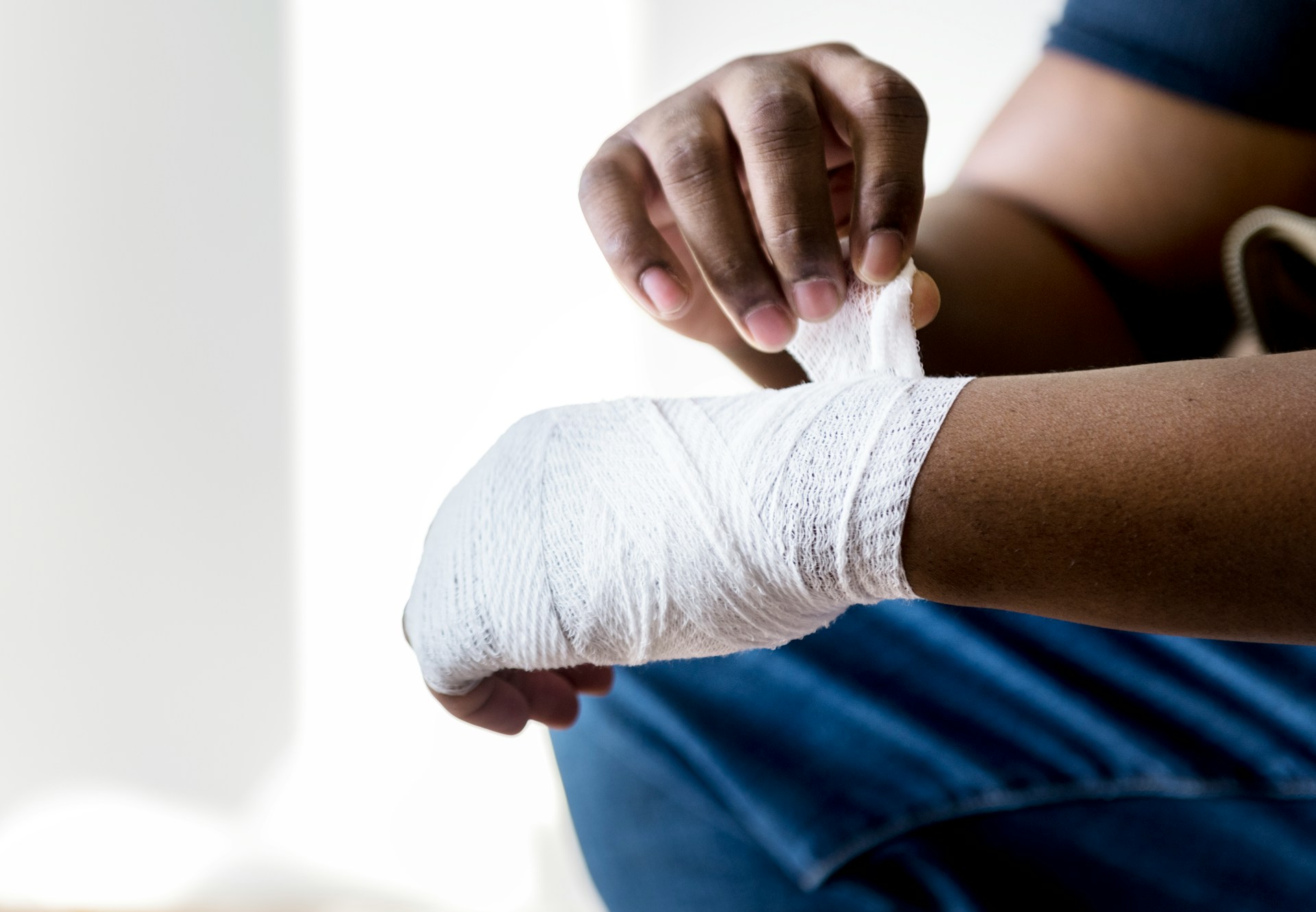
During winter, everyday life in Roseville can feel a bit harder. Foggy mornings, cold temperatures, and slippery sidewalks are not just seasonal annoyances. For people living with severe injuries, these colder months introduce new difficulties. When an injury is considered catastrophic, the effects usually stretch far beyond physical pain. They often disturb a person’s ability to work, move comfortably, or carry out normal tasks.
A catastrophic injury lawyer helps individuals understand their legal rights and what steps may come next after a life-altering event. These rights are not just tied to the accident itself, but to how that injury affects someone’s life in the long run. We want to share how protections in California work for victims going through these injuries and why it matters to know what legal support may be available.
What Counts as a Catastrophic Injury in California
Not all injuries are treated the same in legal terms. Some are temporary, like a sprained wrist or minor cuts, while others create major changes to a person’s entire life. A catastrophic injury is one that usually causes long-term or permanent physical damage.
- Examples include spinal cord injuries, brain trauma, severe burns, or losing a limb.
- These injuries often prevent a person from returning to work or moving about as they did before.
- “Catastrophic” describes how severe and lasting the injury is. What a claim looks at is the harm itself: the care, lost income, and life changes the injury causes.
This matters because the more serious the injury, the more support may be required down the line. That could include long-term care, rehab, or even help with daily tasks. The size of those needs shapes what a legal claim may include. We assist clients in pursuing compensation for these long-term needs, as detailed on our catastrophic injuries service page.
Legal Protections After a Life-Changing Injury
California law does have certain protections in place for people hurt by someone else’s mistakes. The basic rule is that everyone is responsible for injuries caused by their failure to use ordinary care. When someone is injured because another person was careless, whether in a car accident, on unsafe property, or somewhere else, laws around personal injury may come into play.
- A person may choose to pursue a legal case against the other party to recover help with medical bills, lost work, or emotional strain.
- These cases rely on showing fault. In a negligence case, the injured person generally must show that the other party was negligent, that they were harmed, and that the negligence was a substantial factor in causing the harm.
- There are time limits tied to when a case can be filed, often starting the moment the injury happens.
Missing that deadline can mean losing the chance to seek certain protection under law. That’s why it’s helpful to learn your rights early, especially with injuries that have long recovery periods. We offer free consultations so injured individuals and families can quickly get answers about their options under California law.
How Long You Have to File in California
The deadline depends on who is responsible and who was hurt. Here are the main rules:
- Most injury cases: The lawsuit must be filed within two years of the injury.
- Government agencies: If a city, county, state agency, or other public entity may be responsible, a written claim must be presented to that agency no later than six months after the injury.
- Medical care: A case against a health care provider for professional negligence must be filed within three years of the injury or one year after the injury is discovered, or reasonably should have been, whichever comes first.
- Children: When the injured person is under 18, the time they are a minor generally does not count toward the deadline. That pause does not apply to claims that must first be presented to a government agency.
What If You Were Partly at Fault?
Being partly at fault does not automatically end a claim in California. If the other side proves that the injured person’s own negligence helped cause the harm, the damages are reduced by that person’s share of responsibility. For example, someone found 20 percent responsible would have their award reduced by 20 percent.
Understanding the Legal Process After a Major Accident
After a serious injury, there’s often confusion about what happens next from a legal view. Most of the time, the process starts with figuring out what exactly happened and who might be responsible.
- There’s usually an investigation that includes interviewing witnesses, reviewing any video evidence, and studying accident reports.
- Medical records become a major part of this step, too. They help show how serious the injury is and what kind of long-term needs may exist.
- A catastrophic injury lawyer helps sort through this information while making sure all of it is collected properly.
This part of the process can take time. Major injuries often bring a lot of details that need to be considered, and rushing through these steps may leave out important facts that affect the outcome of the case.
Long-Term Impacts and Compensation Possibilities
Injuries considered catastrophic change life not just for a few months, but often for years. So when putting together a legal claim, more than just a hospital bill is taken into account.
- Future medical care, such as rehab, wheelchairs, or home adjustments, may be part of a claim when it is reasonably certain to be needed.
- Lost wages are common, especially when someone can’t return to work for a long time or at all. A claim can also include the loss of the ability to earn money in the future.
- The value of household tasks the injured person can no longer do may also be considered.
- Mental health care is often needed, especially when emotions like stress, grief, or depression set in after an injury.
Some losses have no bill attached. California law also allows damages for physical pain, mental suffering, loss of enjoyment of life, disfigurement, and physical impairment. Life might need rearranging. That could mean learning new skills, adapting routines, or adjusting family roles. These life changes are part of a story the law may consider when a case is built.
Common Challenges Victims Face in Roseville
Along with physical recovery, injury victims often come up against daily roadblocks. Some are tied to where they live. Winter in Roseville does not usually mean snow, but wet roads, short daylight hours, and cold air can all slow down recovery.
- Some find themselves dealing with insurance companies that do not return calls quickly or approve treatment right away.
- Getting to physical therapy or doctor appointments becomes harder for those dealing with mobility issues who rely on rides or walkers.
- There is also the overwhelming stress that hits when everyday tasks become frustrating or painful.
These situations can wear people down. That is why it is important to understand what help might be available legally, but also to build the right plan moving forward.
Why Knowing Your Rights Matters After a Serious Injury
When someone’s life is turned upside down by a catastrophic injury, most people expect the medical care to come first. That makes sense. But once the dust settles, the legal side of things starts to take on more weight. Without clarity about your rights, it is easy to feel lost or unsure about how to move forward.
We’ve seen how understanding what counts as a long-term injury and what protections exist can bring direction to people trying to adjust to a new way of life. When the days get harder and the future feels uncertain, knowing where you stand legally makes a real difference. In places like Roseville, where winter can shape how often people get outside or receive care, timing and planning become especially important for those facing big changes.
Frequently Asked Questions
What is the statute of limitations for a personal injury lawsuit in California?
In most cases, it is two years from the date of the injury. Shorter steps apply when a government agency may be responsible, and medical negligence cases follow their own rule.
What counts as a catastrophic injury?
A catastrophic injury is one that causes long-term or permanent harm, such as a spinal cord injury, a serious brain injury, severe burns, or the loss of a limb. These injuries often affect a person’s ability to work and live independently for years.
What compensation can a catastrophic injury claim include?
A claim can include past and future medical care, lost earnings, lost ability to earn money, and the value of household tasks the person can no longer do. It can also include pain, mental suffering, loss of enjoyment of life, disfigurement, and physical impairment.
Can I still recover if I was partly at fault?
Yes, you may. California reduces the damages by your share of responsibility rather than barring the claim. The other side has to prove that your own negligence helped cause the harm.
What if a city, county, or state agency caused the injury?
A written claim usually must be presented to the agency within six months of the injury. That step comes before any lawsuit, so it helps to ask early.
Does the deadline change if the injured person is a child?
Often, yes. The time a person is under 18 generally does not count toward the deadline. That pause does not apply to claims against a government agency, and medical negligence cases have their own rule for minors.
Sources
- California Civil Code § 1714 (everyone is responsible for injuries caused by a lack of ordinary care)
- California Code of Civil Procedure § 335.1 (two-year deadline for injury claims)
- California Courts Self-Help Guide, Deadlines to sue someone (personal injury is 2 years from the date of injury; medical malpractice rule)
- California Government Code § 911.2 (six months to present an injury claim to a public entity)
- California Code of Civil Procedure § 340.5 (deadline for claims against health care providers)
- California Code of Civil Procedure § 352 (time as a minor not counted; not for public-entity claims)
- Judicial Council CACI No. 400 (elements of negligence) and No. 405 (comparative fault reduces damages by the plaintiff’s share), 2026 edition
- Judicial Council CACI Nos. 3903A, 3903C, 3903D, 3903E and 3905A (future medical expenses, lost earnings, lost earning capacity, household services, pain and suffering), 2026 edition
This article is general information, not legal advice. Every case depends on its own facts.
Related practice areas
- Roseville Catastrophic Injury Lawyer
- Roseville Traumatic Brain Injury Attorney
- Roseville Personal Injury Attorney
Our offices: Personal injury attorney in Roseville · Personal injury attorney in Sacramento · Download the free California Personal Injury Guide