


Blog
Crosswalk Safety: Rights and Responsibilities in Roseville
Understand crosswalk safety in Roseville, covering pedestrian rights and driver duties. Contact a pedestrian accident injury attorney for more guidance.
- Published
- June 13, 2025
- Updated
- Reading time
- 7 min read
- Author
- Gingery Hammer & Associates, LLP
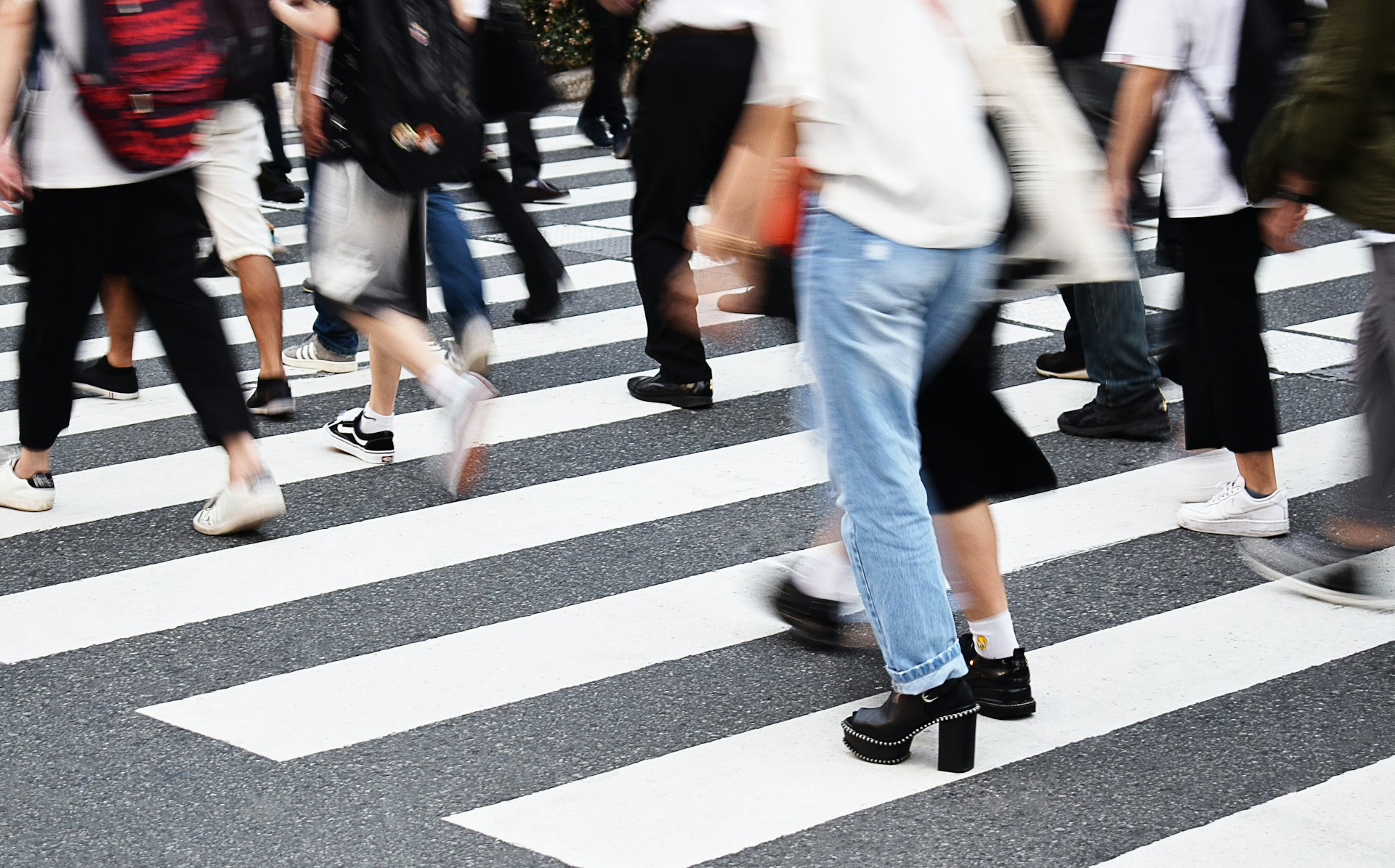
Warm weather brings more foot traffic to Roseville’s streets, especially near parks, schools, and shopping centers. As more people walk, jog, or bike their way across town, crosswalk safety becomes even more important. Whether you’re crossing the street or behind the wheel, you have a role to play in keeping the community safe. Crosswalks connect families to neighborhoods, students to schools, and shoppers to local businesses. But when drivers or pedestrians ignore the rules, accidents can happen.
Knowing what’s expected of both pedestrians and drivers helps reduce confusion and prevent injuries. It isn’t just about following the law. It’s about looking out for each other when you share the road. Let’s talk about the rights and responsibilities that come into play at crosswalks and how everyone can do their part to make sure getting from point A to point B stays safe.
Understanding Pedestrian Rights
If you’re walking in Roseville, it helps to know what your rights are when you’re using a crosswalk. California law says drivers must yield the right-of-way to a pedestrian crossing within any marked crosswalk, or within any unmarked crosswalk at an intersection. That’s true whether the crossing runs across a neighborhood street or a busier intersection with stoplights. Drivers approaching a pedestrian in a crosswalk must also use all due care and slow down or take other action to keep that person safe.
What counts as an unmarked crosswalk? Under California law, most intersections have crosswalks even without painted lines. Where streets meet at roughly right angles, the crosswalk is the extension of the sidewalk lines across the road. The exception is a spot where local authorities have posted signs saying there is no crossing.
Having the right of way, though, doesn’t mean walkers can step into traffic whenever they want. The same law says no pedestrian may suddenly leave a curb and walk or run into the path of a vehicle that is so close it is an immediate hazard. Pedestrians also may not stop or delay traffic for no reason while in a crosswalk.
Consider this example: A parent pushing a stroller is waiting at the sidewalk edge in front of a painted crosswalk near a school. When they begin to walk across while the crossing signal gives them the go-ahead, nearby drivers must yield and let them safely finish crossing. If a vehicle fails to stop and someone gets hurt, that’s the kind of situation pedestrian laws aim to address.
Situations often vary, so what’s true in one moment may not apply in another. For example, if there’s no crosswalk or the pedestrian is crossing mid-block, things change. Outside a crosswalk, a pedestrian must yield to vehicles close enough to be an immediate hazard, although drivers still must use due care. The key takeaway is this: crosswalks are meant to protect people, but they work best when everyone knows how to use them.
Is Jaywalking Still Illegal in California?
The rules are still on the books, but tickets are limited. Between two intersections controlled by traffic signals, pedestrians are still supposed to cross only in a crosswalk. Since January 1, 2023, though, an officer may not stop a pedestrian for that, or for crossing against a signal, unless a reasonably careful person would realize there is an immediate danger of a collision.
That change did not take away anyone’s duty of care. Pedestrians must still look out for their own safety, and drivers must still watch out for any pedestrian in the road.
Responsibilities Of Pedestrians
While there are clear protections for pedestrians, there are also responsibilities that come with using crosswalks. Just like drivers have rules to follow, so do people walking through town. Staying alert, making eye contact with drivers, and looking both ways before stepping off the curb aren’t just good habits—they’re smart ways to avoid getting hurt.
Here are a few things pedestrians should keep in mind:
- Cross at marked crosswalks or intersections when possible. If there’s a pedestrian signal, start on WALK. A flashing DON’T WALK with a countdown means you may start only if you can finish before the countdown ends.
- Don’t assume drivers see you. Try to make eye contact with motorists before stepping into the street.
- Avoid distractions like texting or wearing headphones while crossing.
- Wear bright or reflective clothing in the early morning, evening, or anytime visibility is low.
- Walk, don’t run, across intersections.
Crossing mid-block, especially in traffic-heavy areas, increases the chances of a misunderstanding between a driver and pedestrian. Most close calls—and worse—happen because someone assumed they were visible or that the other person would stop in time. Acting responsibly as a pedestrian isn’t just about following the rules. It’s about doing your part to help reduce the risk of harm for yourself and others around you.
Responsibilities Of Drivers
Drivers in Roseville often share the road with pedestrians, especially near busy intersections, parks, and schools. Being behind the wheel means you have certain responsibilities every time you approach a crosswalk. These responsibilities play a role in how safe our streets stay for everyone moving through them on foot.
When approaching a crosswalk, drivers should:
- Slow down and be ready to stop if someone is waiting or already walking
- Stop at the limit line, if there is one, and give people enough time to finish crossing
- Never pass a vehicle stopped at a crosswalk. California law forbids it, because the stopped car may be hiding a pedestrian you can’t see
- Keep yielding to a pedestrian still in the street, even if the DON’T WALK light is flashing
- Watch extra closely in areas with children, seniors, or people with disabilities, who may need extra time. Pedestrians using guide dogs or white canes have the right-of-way at all times
- Follow signs, flashing beacons, or crossing guards when present. Ignoring a school crossing guard’s direction is a traffic infraction in California
Paying attention at the right moment can make all the difference. A driver who glances at their phone or doesn’t reduce speed soon enough might fail to see a pedestrian until it’s too late. Stopping fully, maintaining visibility, and keeping distractions away from the steering wheel are all ways to prevent a bad situation.
Many pedestrian accidents happen when drivers misjudge speed or distance. For example, someone may be trying to beat a light and doesn’t see a person already in the crosswalk. This is one of the reasons local traffic rules emphasize yielding and staying alert. Safe driving isn’t just about vehicle control. It’s just as much about being patient and aware of others outside the car.
Role Of Local Authorities In Pedestrian Safety
Keeping Roseville’s roads and crosswalks safe is a shared effort. While drivers and walkers must do their part, local departments take steps to make sure streets are clearly marked and easy to use for everyone. Crosswalks are placed near schools, senior centers, public buildings, and intersections where traffic tends to be heavier.
Local agencies often install:
- Pedestrian crossing lights and countdown signals
- Reflective signs and pavement markings
- Raised crosswalks to slow oncoming vehicles
- Speed limits and traffic calming zones in high-foot-traffic areas
- Safety education campaigns at schools and community centers
Drivers and pedestrians also benefit from the visibility and work of crossing guards, usually placed near schools during morning and afternoon hours. Their role is to help kids and families get across safely, especially when drivers might be in a morning rush.
Community members can help by reporting broken signals or faded crosswalk lines. Whether it’s a light out or a damaged sign, things like that pose a real risk if left unaddressed. When people speak up about unsafe intersections or tricky visibility spots, it gives local leaders the information they need to make improvements. Change often starts with someone pointing out an issue others may have missed.
Who Is at Fault in a Crosswalk Accident?
Crosswalk cases often turn on what both people did. A driver who fails to yield to a pedestrian in a crosswalk, or who doesn’t slow down for one, may be found negligent. But pedestrians must use reasonable care for their own safety too, and a pedestrian’s carelessness does not erase the driver’s duty.
If both were careless, California uses comparative fault. The injured person can still recover, but their damages are reduced by their share of the responsibility. Deadlines also apply: most injury claims must be filed within two years, and a claim against a city or other public agency generally must be presented within six months.
Stay Safe, Know Your Rights
Crosswalk safety isn’t just about having the right of way. It’s about understanding when those rights apply, what you’re responsible for, and how actions affect others nearby. A few seconds of attention—whether driving or walking—can avoid a lot of unnecessary pain or confusion.
Everyone has a part to play in reducing pedestrian accidents in Roseville. Following traffic signals, looking both ways, and knowing your rights only works when paired with responsibility. When accidents do happen, having a clear understanding of how the laws work and what your next steps should be can make the process a little easier to handle.
If you’ve been injured while crossing the street or involved in an incident with a pedestrian, connecting with a pedestrian accident injury attorney in Roseville can help provide clarity and direction for what to do next.
Whether you’re walking across a busy street or driving in Roseville, understanding your rights and responsibilities plays a big part in preventing accidents. Staying alert and knowing what to expect can help keep everyone safer. If you’ve been involved in an incident and need support, speaking with a pedestrian accident injury attorney could provide the guidance you’re looking for. Gingery Hammer & Associates, LLP is here to support you every step of the way.
Frequently Asked Questions
Does a pedestrian in a crosswalk always have the right-of-way in California?
Usually, yes. Drivers must yield to a pedestrian crossing in a marked crosswalk or an unmarked crosswalk at an intersection. But a pedestrian may not suddenly step off the curb into the path of a car so close that it is an immediate hazard.
What is an unmarked crosswalk?
It is the crossing at an intersection where the sidewalk lines would continue across the street, even with no paint. California law treats it as a crosswalk unless local authorities have posted signs saying there is no crossing.
Can I start crossing when the DON’T WALK sign is flashing?
Only if there is a countdown, and you must finish before it ends. A steady DON’T WALK, or a flashing one with no countdown, means do not start. If you started on WALK, keep going to the sidewalk.
Is jaywalking illegal in California?
The rules still exist, but since January 1, 2023, an officer may not stop a pedestrian for crossing outside a crosswalk unless there is an immediate danger of a collision. Pedestrians outside a crosswalk must still yield to vehicles close enough to be a hazard.
Can a driver pass a car that has stopped at a crosswalk?
No. California law forbids passing a vehicle that has stopped at a marked crosswalk, or an unmarked crosswalk at an intersection, to let a pedestrian cross. The stopped car can hide the person crossing.
Can I recover if I was partly at fault in a crosswalk accident?
You may. California uses comparative fault, so an injured pedestrian who was partly careless can still recover, with damages reduced by their share of the responsibility. The driver’s duty of care does not disappear because the pedestrian made a mistake.
How long do I have to file a pedestrian accident claim in California?
Usually two years from the date of the injury, under Code of Civil Procedure § 335.1. If a city, county, or other public agency may be responsible, a written claim generally must be presented within six months.
Sources
- California Vehicle Code § 21950 (drivers yield to pedestrians in marked and unmarked crosswalks; due care; pedestrians may not suddenly leave the curb; stop limits for officers since 2023)
- California Vehicle Code § 275 (definition of a crosswalk, marked and unmarked)
- California Vehicle Code § 21951 (no passing a vehicle stopped at a crosswalk for a pedestrian)
- California Vehicle Code § 21954 (pedestrians outside a crosswalk yield to vehicles that are an immediate hazard; driver keeps duty of due care)
- California Vehicle Code § 21955 (cross only in a crosswalk between signal-controlled intersections; officer stops limited to immediate danger, AB 2147, effective January 1, 2023)
- California Vehicle Code § 21456 (WALK, flashing DON’T WALK with countdown, steady DON’T WALK)
- California Vehicle Code § 2815 (disregarding a school crossing guard is an infraction)
- California Driver Handbook, Pedestrians and Crosswalks (stop at the limit line, extra time for seniors and people with disabilities, do not pass a car stopped at a crosswalk, yield even on flashing Don’t Walk, guide dogs and white canes)
- CACI Nos. 710 (duties of pedestrians and drivers in a crosswalk) and 405 (comparative fault), Judicial Council of California Civil Jury Instructions, 2026 edition
- California Code of Civil Procedure § 335.1 (two-year deadline for injury claims)
- California Government Code § 911.2 (six months to present an injury claim against a public entity)
This article is general information, not legal advice. Every case depends on its own facts.
Related practice areas
- Roseville Pedestrian Accident Attorney
- Roseville Car Accident Attorney
- Roseville Personal Injury Attorney
Our offices: Personal injury attorney in Roseville · Personal injury attorney in Sacramento · Download the free California Personal Injury Guide