


Blog
Cold Weather Motorcycle Safety in Roseville
Winter riding in Roseville can be a completely different experience compared to riding in warm weather. The colder months bring slick roads, lower visibility, and biting wind that...
- Published
- November 25, 2025
- Updated
- Reading time
- 7 min read
- Author
- Gingery Hammer & Associates, LLP
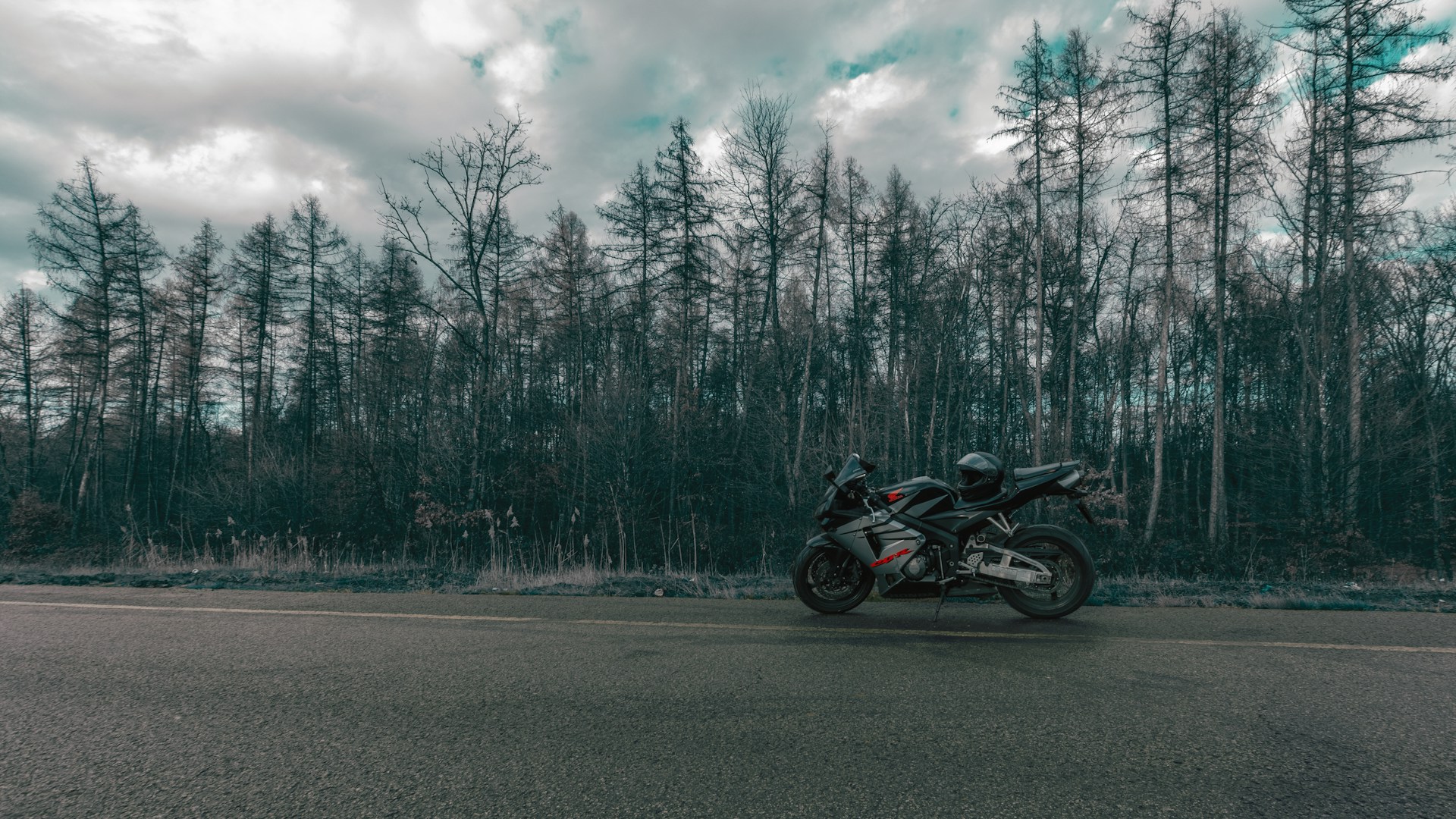
Winter riding in Roseville can be a completely different experience compared to riding in warm weather. The colder months bring slick roads, lower visibility, and biting wind that can all increase the risk for motorcycle riders. It is not just about being a skilled rider, it’s about adapting to the season with proper maintenance and gear, and knowing when it’s safer to leave your bike in the garage.
As fall turns to winter, preparing ahead becomes more important. Riding without winter prep can lead to mechanical trouble or increase hazards on the road. That is why it is worth taking time before the cold sets in to get your motorcycle and your gear winter-ready. Whether you are commuting daily or just enjoying weekend rides through Placer County, a few smart steps can go a long way in making your cold-weather rides safer.
Preparing Your Motorcycle For Cold Weather
As temperatures drop, some of the parts you normally do not think about can start acting up. Cold starts, stiff tires, and drained batteries are common problems during winter riding in Roseville. Doing a quick check before the cold sets in makes all the difference.
Here is what to focus on:
Tires: Cold air reduces tire pressure, and low pressure can cause handling problems. Use a tire gauge regularly and keep pressure at the level recommended by your manufacturer. Cold temperatures also harden your tire rubber, so checking tread depth is important for grip on wet or frosty roads.
Battery: Batteries are more likely to fail in the cold, especially if they are already weak. If your battery is more than a couple of years old, consider testing it. You may want to replace it before winter even starts if it is running low.
Fluids: Oil thickens when it’s cold, so make sure you are using the right weight for winter conditions. Also check your coolant levels and brake fluid quality. Bad fluid can impact how your bike performs and responds when you need it most.
Chains and brakes: Lubricate your chain more often when it is wet and cold since moisture can cause rust. And do not forget your brake pads. Winter is not when you want to discover they are worn down.
Lights: Make sure your headlight, taillight, brake light, and turn signals all work. Winter days are short, and gray light makes a motorcycle harder to see.
Even if your bike has been running great all year, consider treating it to a full inspection in late fall. Spotting minor issues early keeps them from becoming major problems when you are out on chilly roads.
Dressing For Cold Weather Riding
Wearing the right gear is not just about staying warm. It directly affects your focus and control. The California Motorcycle Handbook warns that riding for long periods in cold weather can cause severe chill, dehydration, and fatigue, and that numbness can make it hard to control a motorcycle. When your fingers are numb or your visor fogs up, it takes away from your ability to safely operate your bike. Layering and smart clothing choices keep you both comfortable and alert.
Here is a breakdown of what you will want to wear:
1. Thermal base layers: Start with a snug but breathable base layer to trap heat. Look for moisture-wicking fabric so sweat does not make you colder.
2. Insulated riding pants and jacket: Go for gear that is windproof and water-resistant. A winter jacket should fit snugly at the neck, wrists, and waist so cold air cannot get in. Many modern riding jackets come with zip-in linings that can be removed on warmer days.
3. Cold-weather gloves: Choose gloves with insulation or heated grips if your bike has them. Make sure they do not limit your dexterity though, as you will need to brake and shift with accuracy.
4. Balaclava or neck warmer: Wind chill can creep in from the smallest gaps. Covering your neck and face makes a big difference.
5. Helmet with anti-fog visor: California requires every rider and passenger to wear a safety helmet that meets state standards, fastened and snug. Full-face helmets keep you warmer, and using an anti-fog insert or spray helps keep your vision clear.
A good example of this is an experienced rider in Roseville who once wore his regular summer gloves for a quick winter ride. Within fifteen minutes, the cold numbed his fingers, and he struggled to use the clutch properly. What should have been a short trip turned into a dangerous situation. Do not cut corners on gear. Being comfortable is part of being in control.
Adjusting Riding Techniques For Winter
Riding during winter in Roseville means paying closer attention to how your motorcycle handles and how you respond to changing road conditions. Chillier temperatures can change how your tires grip the pavement. Even roads you are used to riding every day can feel different with moisture, frost, or debris.
Start with your speed. Go slower than you normally would, especially when making turns or coming to a stop. Cold tires do not grip as well as warm ones, and your motorcycle needs more distance to stop when the pavement is slippery. Give yourself a bigger cushion of space between you and traffic ahead of you.
Here are a few riding tips to keep in mind:
Brake gently and gradually to avoid skidding. Look ahead and plan your stops early.
Use both brakes. The front brake still works on a slippery surface. Squeeze the lever gradually so the front wheel does not lock, and use gentle pressure on the rear brake.
Avoid riding over painted lines, crosswalks, steel plates, and manhole covers when they look slick. These get slippery faster than regular asphalt, especially when wet.
Lean less in turns. Keep your body more upright and steer with subtle movements. If you cannot avoid an icy patch, keep the motorcycle straight up and go as slowly as possible.
Ride in the part of the lane that gives you the most visibility and room to maneuver.
Scan far ahead. The California Motorcycle Handbook says to look at least 10 to 15 seconds down the road, which gives you time to spot frost, wet leaves, or gravel.
An example from a rider in Roseville who learned the hard way: he took his usual corner at his normal pace after an early morning frost and ended up sliding across the road. Luckily, traffic was light, and he was not hurt. The road may look dry, but when temperatures dip near freezing, ice can still form, especially early in the day and in low or shaded areas, where it is slow to melt. When in doubt, ease up on the throttle and be gentle with every movement.
Knowing When To Avoid Riding
Sometimes, the best decision for a rider is to wait. It’s not always easy to give up a ride, especially if you are used to getting around town on two wheels. But knowing when to skip it can help you stay safe during the colder months.
Strong winds, heavy rain, and icy roads make motorcycles harder to control. If the forecast calls for freezing temperatures overnight, there is a good chance you will deal with frost or ice on your commute. Fog can also reduce visibility, which is never helpful when you are already dealing with unpredictable road conditions.
Is there a temperature that is too cold to ride? There is no single number. The bigger risks are ice on the road and cold in your body. Near freezing, ice can form on shaded roads, bridges, and overpasses. And a long ride in the cold can leave your hands numb, which makes the controls harder to use.
Tips on knowing when to stay off the road:
Check local weather reports before you head out
Pay attention to warnings about icy conditions or storm alerts
Avoid riding early in the morning or late at night when temperatures are lowest
Watch for shaded roads, bridges, and overpasses, which freeze first and dry out last
Always trust your gut too. If something does not feel right or safe, it is okay to take the car or wait for better weather. Motorcycle riding is about control and awareness. Winter does not take that away, but it does require more planning. Staying alert and being flexible with your schedule helps keep you safe throughout the season.
Safety Tips From A Motorcycle Accident Law Firm
No matter how careful you are, the winter season brings extra challenges on the road. Slippery streets, distracted drivers, and low visibility can increase the chances of something going wrong during a ride.
Here is how to stay sharp and avoid risky situations:
Always let someone know your route and expected time of arrival
Keep your lights clean and make sure they are working well
Use reflective tape or wear bright gear to stand out in gray conditions
Stay off the phone and focused on your surroundings at all times
Do not ride tired, as fatigue affects your decision-making and reaction time
Bad weather also changes what the law expects from the drivers around you. California’s basic speed law says no one may drive faster than is reasonable for the weather, visibility, traffic, and road surface. A driver who hits a rider on a wet or icy road may not be able to simply blame the weather.
If you are ever involved in a crash or feel unsure after an incident, there are professionals who can help. Some riders are not sure what their options are after an accident, especially if weather conditions played a role. Motorcyclists deserve fair treatment, and being informed about your rights can help you move forward clearer and more confidently.
Frequently Asked Questions
What temperature is too cold to ride a motorcycle?
There is no single cutoff. The real risks are ice and numbness: near freezing, ice can form on shaded roads, bridges, and overpasses, and the California Motorcycle Handbook warns that numbness can make a motorcycle hard to control. If ice is likely, skip the ride.
What is the 12-second rule on a motorcycle?
It is a reminder to look well down the road, not just at the bike ahead. The California Motorcycle Handbook says to scan your path at least 10 to 15 seconds ahead. In winter, that time lets you spot frost, wet leaves, or gravel before you reach them.
Where does ice form first on the road?
On bridges, overpasses, and shaded spots. The California Driver Handbook says shaded areas freeze first and dry out last, and bridges and overpasses tend to freeze before the rest of the road.
How should I brake on a slippery road?
Slow down early and use both brakes smoothly. The California Motorcycle Handbook says the front brake still works on a slippery surface: squeeze it gradually so the wheel doesn’t lock, and use gentle pressure on the rear brake. Avoid sudden changes in speed or direction.
Do I have to wear a helmet in California?
Yes. California requires every motorcycle rider and passenger to wear a safety helmet that meets state standards, fastened with the straps and fitting snugly. That applies in every season.
Can a driver blame the weather if they hit me on a wet or icy road?
Not on its own. California’s basic speed law says no one may drive faster than is reasonable for the weather, visibility, traffic, and road surface. A driver who did not slow down for conditions may still be found at fault.
Sources
- California Motorcycle Handbook (cold weather can cause chill, dehydration, fatigue and numbness; winter jacket fit; scan 10 to 15 seconds ahead; slippery surfaces including lane markings, steel plates and manhole covers; use both brakes; ice in low or shaded areas, bridges and overpasses; keep the bike upright on ice)
- California Driver Handbook, Safe Driving (shaded areas freeze first and dry out last; bridges and overpasses freeze before the rest of the road)
- California Vehicle Code § 27803 (helmet required for motorcycle riders and passengers, fastened and properly fitted)
- California Vehicle Code § 22350 (basic speed law: speed must be reasonable for weather, visibility, traffic and road surface)
This article is general information, not legal advice. Every case depends on its own facts.
Related practice areas
- Roseville Motorcycle Accident Lawyer
- Roseville Weather-Related Accident Lawyer
- Roseville Car Accident Attorney
Our offices: Personal injury attorney in Roseville · Personal injury attorney in Sacramento · Download the free California Personal Injury Guide